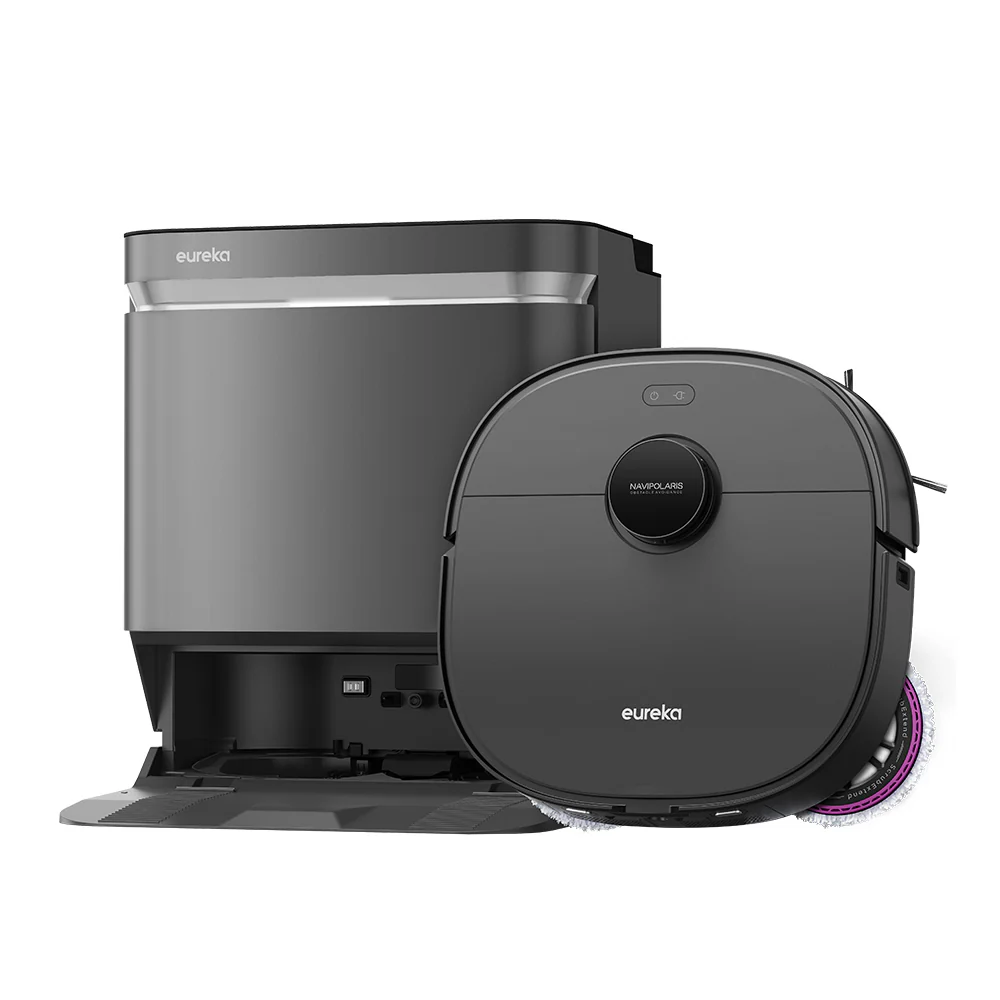
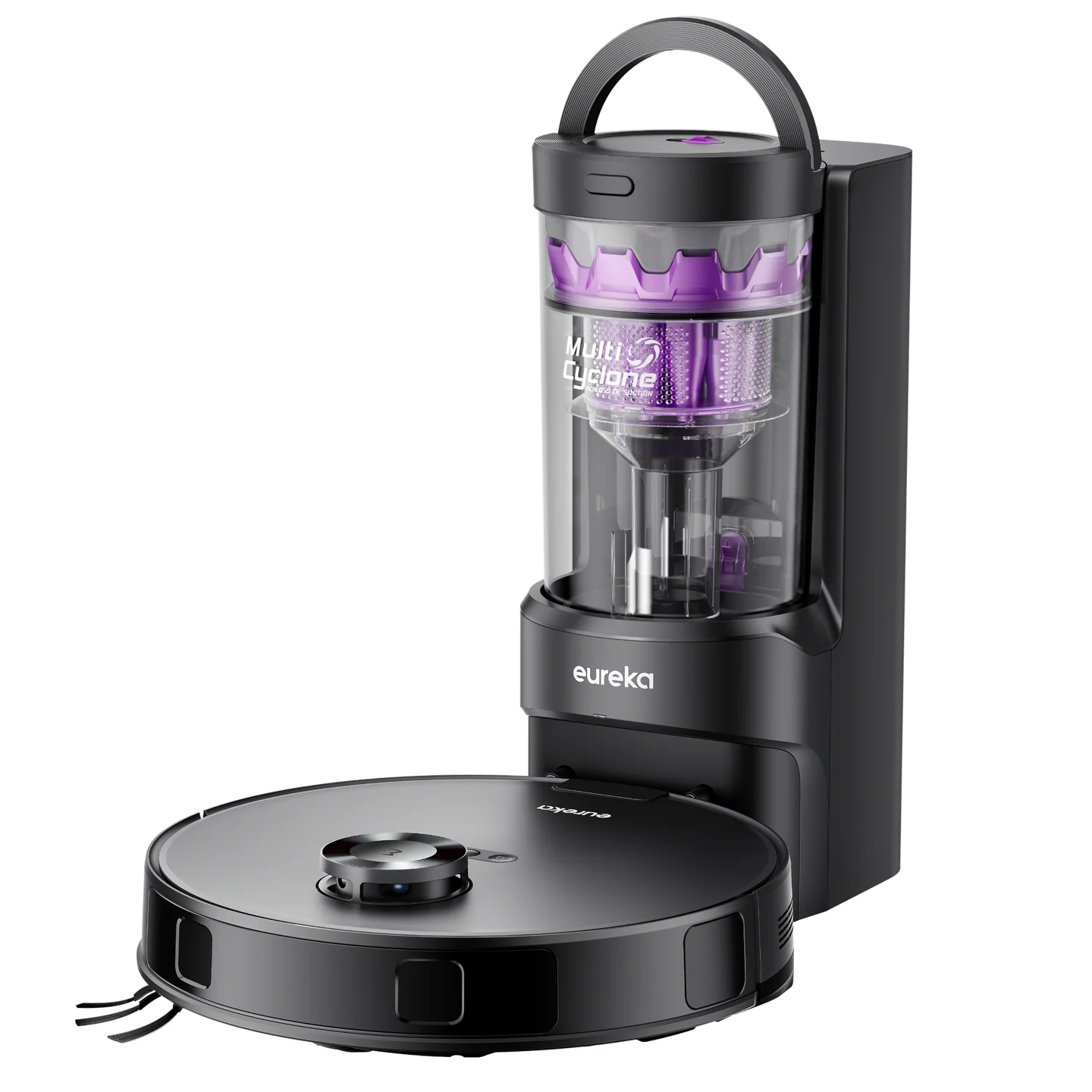
Home cleaning has become easier with the arrival of robotic vacuum cleaners. These smart devices move across floors automatically and remove dust, crumbs, and debris without constant supervision. Many households now use robotic vacuum cleaners as part of their daily cleaning routine because they save time and reduce manual effort.
Modern robotic vacuum cleaners use sensors, intelligent navigation systems, and powerful suction motors to clean homes efficiently. Instead of pushing a traditional vacuum around the house, homeowners can schedule automated cleaning sessions using mobile apps or simple control buttons.
Technology improvements have made robotic vacuum cleaners more reliable and effective than earlier models. Advanced sensors help the device detect furniture, walls, and stairs while smart mapping systems create efficient cleaning routes. As a result, the vacuum covers the floor thoroughly without repeating the same areas unnecessarily.
This article explains how robotic vacuum cleaners work in modern homes. It covers the technology behind these devices, the components involved in cleaning, and the features that make them effective for daily household use.
What Is a Robotic Vacuum Cleaner
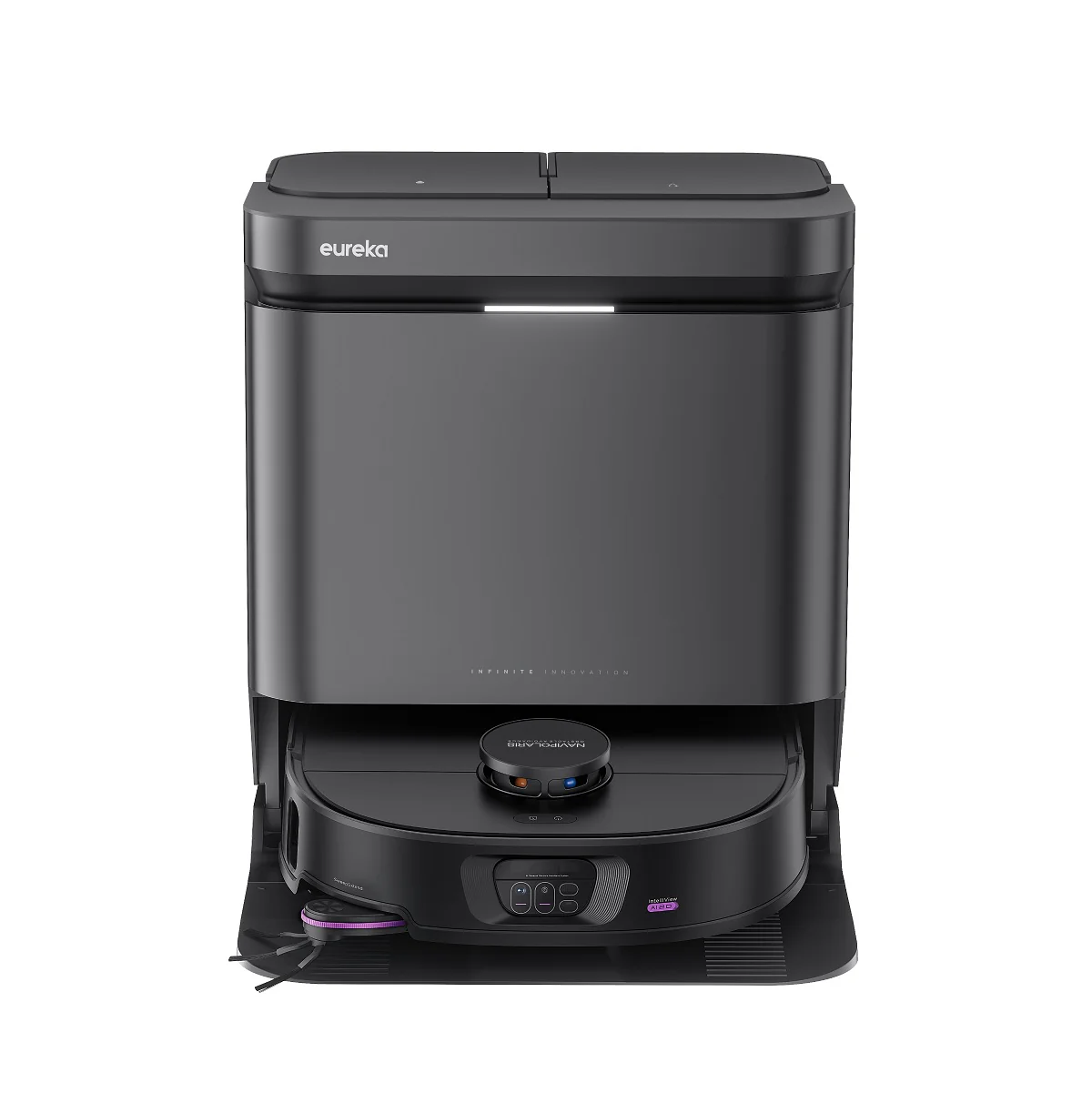
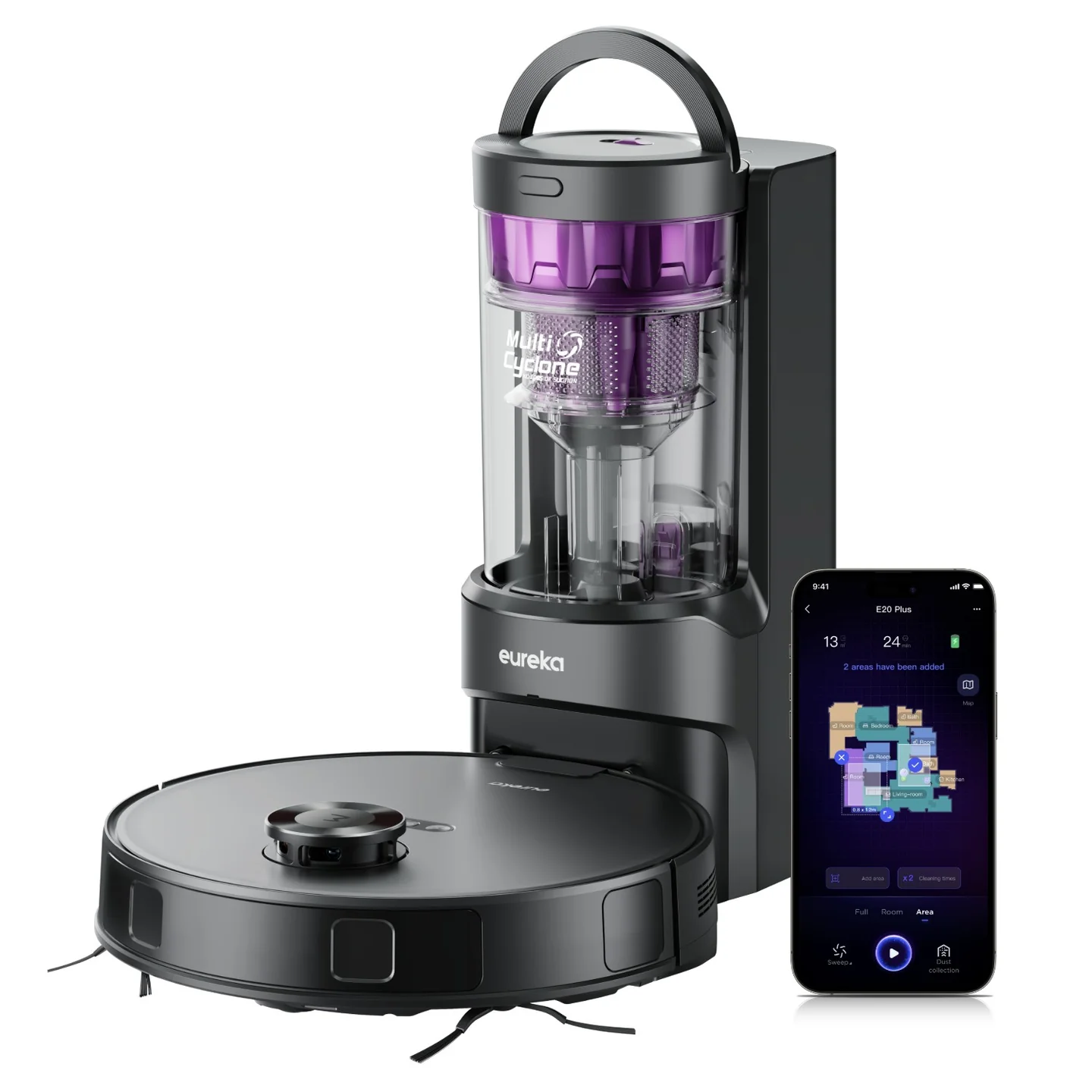
A robotic vacuum cleaner is an automated cleaning device designed to move around floors and collect dust and debris. Unlike traditional vacuum cleaners that require manual control, robotic vacuums operate independently.
These machines are equipped with sensors, rotating brushes, and suction motors that work together to clean surfaces. The device travels across floors, detects obstacles, and adjusts its direction to continue cleaning.
Robotic vacuum cleaners are designed to handle different floor types such as carpets, hardwood floors, and tiles. Some models also include mopping functions for additional floor care.
Common characteristics of robotic vacuum cleaners
• Compact circular or square design
• Automatic movement across floors
• Rechargeable battery system
• Built in sensors for obstacle detection
• Dustbin for collecting debris
These features allow robotic vacuum cleaners to operate independently and maintain clean floors with minimal effort from homeowners.
Core Components of Robotic Vacuum Cleaners
Robotic vacuum cleaners contain several key components that work together to perform cleaning tasks.
Main components
• Side brushes
• Main roller brush
• Suction motor
• Dustbin
• Sensors
• Rechargeable battery
• Wheels and drive motors
Side brushes push dirt and dust toward the centre of the vacuum. The main roller brush lifts debris from carpets and hard floors.
The suction motor pulls collected dirt into the dustbin where it remains until emptied.
Sensors detect obstacles, walls, and edges to prevent collisions or falls.
Wheels powered by small motors allow the device to move smoothly across different surfaces.
Each component plays an important role in helping the robotic vacuum cleaner clean efficiently.
Sensors and Navigation Technology
Sensors are one of the most important technologies in robotic vacuum cleaners. They allow the device to move safely around the home while avoiding obstacles.
Types of sensors used
• Infrared obstacle sensors
• Cliff sensors
• Wall detection sensors
• Dirt detection sensors
Obstacle sensors detect furniture and other objects. When the vacuum approaches an obstacle, the sensor signals the device to change direction.
Cliff sensors prevent the robotic vacuum cleaner from falling down stairs or ledges.
Wall sensors help the device clean along edges and corners more effectively.
Some advanced models also include laser or camera based navigation systems that create digital maps of the home.
These systems help robotic vacuum cleaners clean more efficiently by planning organised cleaning paths.
Cleaning Mechanism of Robotic Vacuum Cleaners
The cleaning process begins when the robotic vacuum cleaner starts moving across the floor.
Side brushes rotate rapidly to sweep dust, crumbs, and debris toward the centre of the machine.
The main roller brush then lifts dirt from the floor surface.
A powerful suction motor pulls the collected debris into the internal dustbin.
Cleaning steps performed by robotic vacuum cleaners
Detect the cleaning area using sensors
Move across the floor following a cleaning path
Sweep debris toward the centre using side brushes
Lift dirt with the main brush
Pull debris into the dustbin using suction
This system allows robotic vacuum cleaners to remove dirt from both hard floors and carpets.
Regular cleaning cycles help maintain tidy floors without daily manual effort.
Navigation Patterns Used by Robotic Vacuum Cleaners
Robotic vacuum cleaners follow specific cleaning patterns depending on the technology used.
Basic models move in random directions until the entire floor area has been covered.
Advanced models use mapping systems to clean rooms more efficiently.
Common navigation patterns
• Random movement pattern
• Spiral cleaning pattern
• Zigzag grid cleaning pattern
• Room mapping navigation
Mapping based navigation allows the robotic vacuum cleaner to clean each section of the room systematically.
This approach improves cleaning efficiency and reduces cleaning time.
Comparison of Robotic Vacuum Technologies
Feature Basic Robot Vacuum Smart Mapping Vacuum Premium Robot Vacuum
Navigation Random path Sensor guided Laser mapping
Suction Power Moderate Strong Very strong
Battery Life 90 minutes 120 minutes 180 minutes
Smart App Control Limited Available Advanced
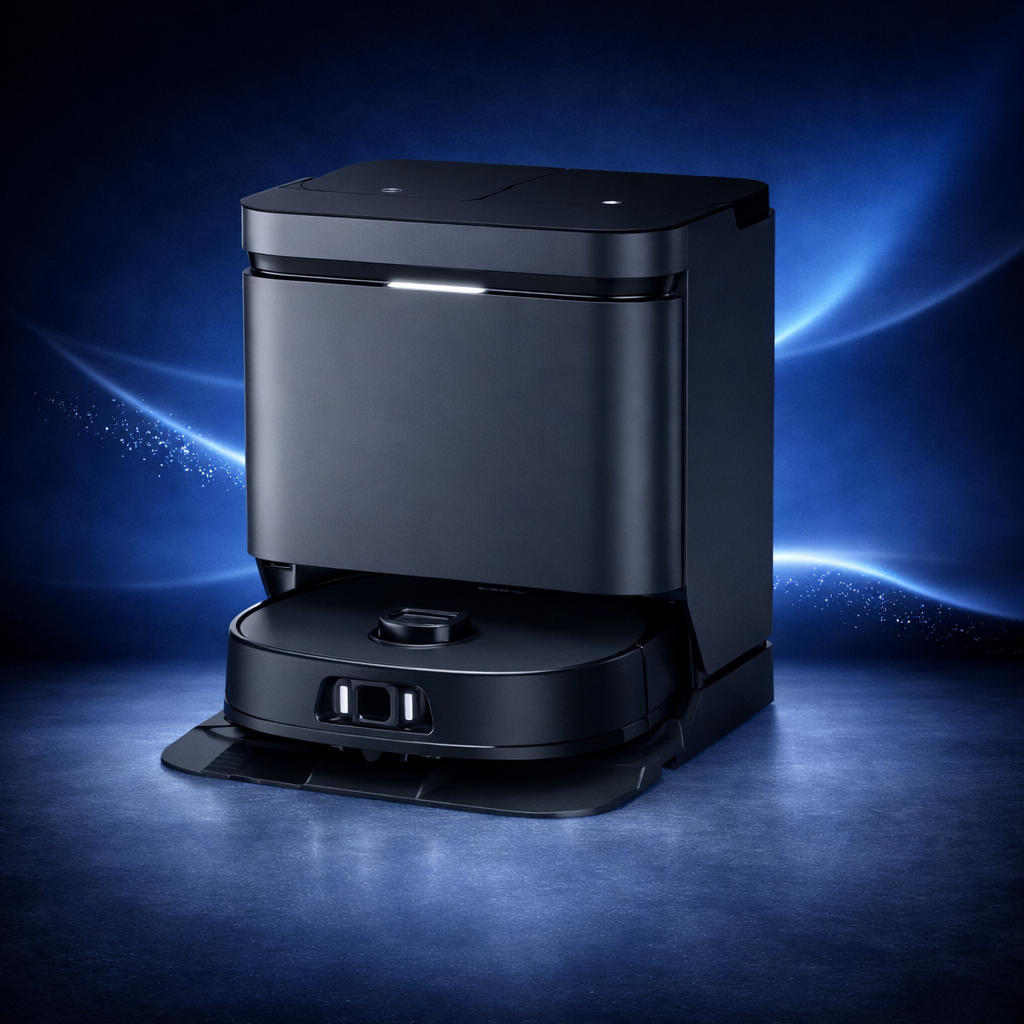
Self Empty Dock No Optional Yes
This table highlights how robotic vacuum technology improves across different models.
Premium models often include advanced mapping systems and stronger suction power for better cleaning results.
Smart Features in Modern Robotic Vacuum Cleaners
Modern robotic vacuum cleaners include several smart features that improve convenience.
Popular smart features
• Mobile app control
• Cleaning schedule programming
• Voice assistant integration
• Room specific cleaning settings
• Virtual boundaries
Mobile apps allow users to start or stop cleaning sessions remotely.
Scheduling options allow the vacuum to clean at specific times each day.
Voice assistant compatibility allows hands free control through smart home systems.
Virtual boundaries allow users to restrict the vacuum from entering certain areas.
These features make robotic vacuum cleaners easy to manage and customise.
Benefits of Robotic Vacuum Cleaners in Modern Homes
Robotic vacuum cleaners provide several advantages for homeowners.
Key benefits
• Saves time on daily cleaning
• Maintains consistent floor cleanliness
• Works automatically without supervision
• Reaches under furniture easily
• Quiet operation during cleaning
These advantages make robotic vacuum cleaners ideal for busy families, professionals, and pet owners.
Daily automated cleaning helps prevent dust buildup and keeps floors looking clean.
The compact design also allows the device to clean spaces that traditional vacuums may struggle to reach.
Maintenance and Care for Robotic Vacuum Cleaners
Regular maintenance keeps robotic vacuum cleaners working efficiently.
Important maintenance steps
• Empty the dustbin regularly
• Clean side brushes weekly
• Remove hair from the main brush
• Replace filters periodically
• Wipe sensors to maintain navigation accuracy
Keeping the brushes and filters clean improves suction performance and prevents clogging.
Regular maintenance also extends the lifespan of the device.
Proper care ensures reliable cleaning performance over time.
Are Robotic Vacuum Cleaners Effective for All Homes
Robotic vacuum cleaners work well in most homes, but certain environments benefit more from them.
Homes with open floor layouts allow robotic vacuums to move easily.
Carpeted homes require models with strong suction power to remove embedded dirt.
Homes with pets benefit greatly because automated cleaning reduces pet hair buildup.
While robotic vacuum cleaners handle routine cleaning effectively, occasional deep cleaning with traditional vacuums may still be necessary.
Combining both cleaning methods often provides the best results.
Conclusion
Robotic vacuum cleaners have transformed home cleaning by combining automation with intelligent technology. These devices use sensors, brushes, and suction motors to collect dust and debris while moving independently across floors.
Modern robotic vacuum cleaners include smart navigation systems, powerful cleaning components, and convenient app controls that make daily cleaning easier.
By operating automatically and maintaining consistent cleaning routines, robotic vacuum cleaners help homeowners save time while keeping living spaces tidy.
With proper maintenance and the right model selection, robotic vacuum cleaners can become reliable tools that simplify everyday home cleaning.