
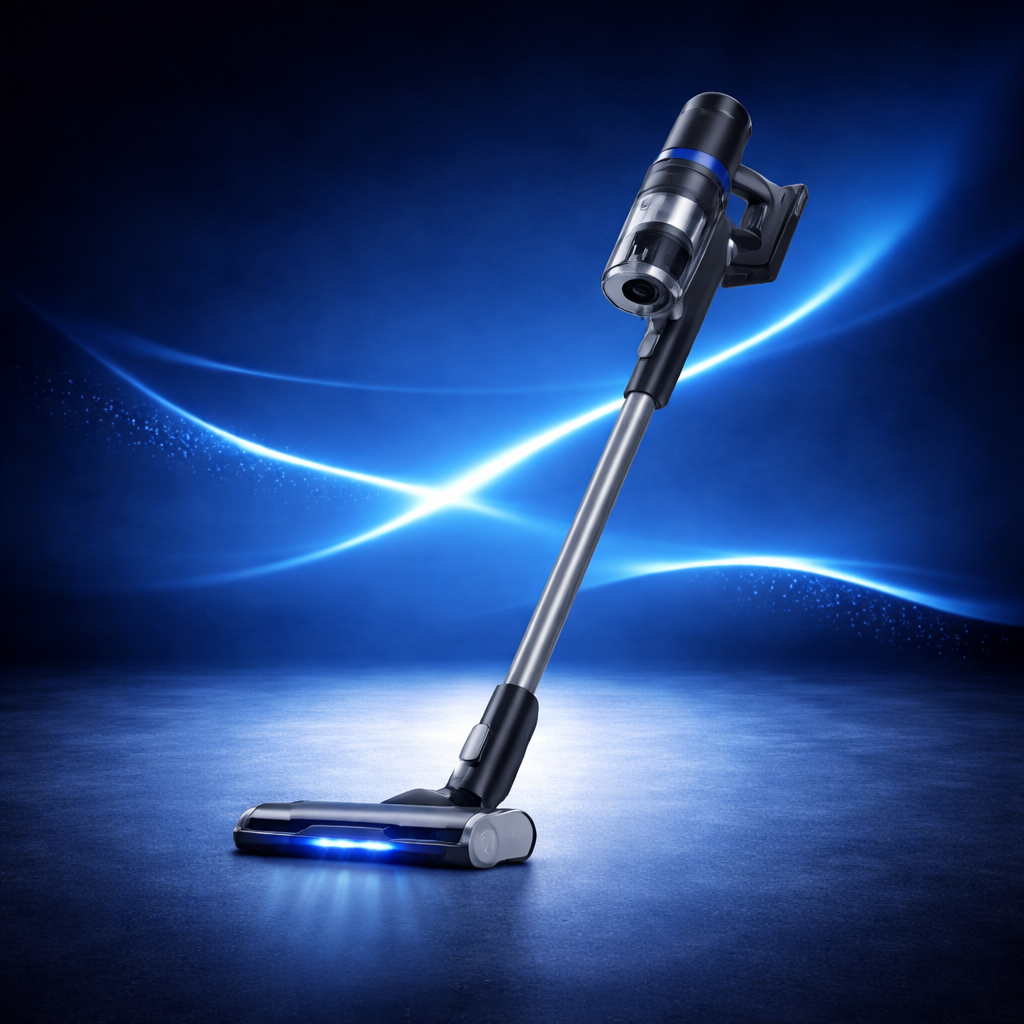
Cordless Vacuum
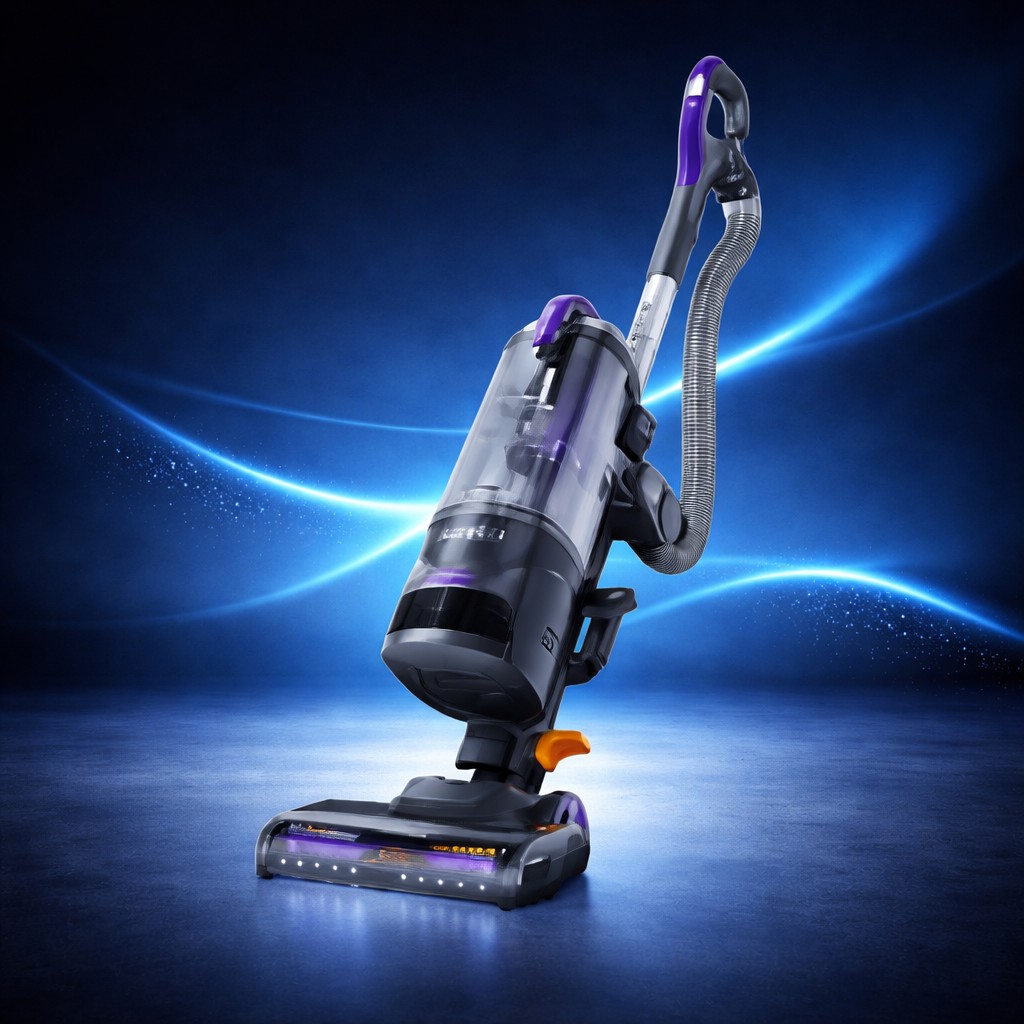
Upright Vacuum
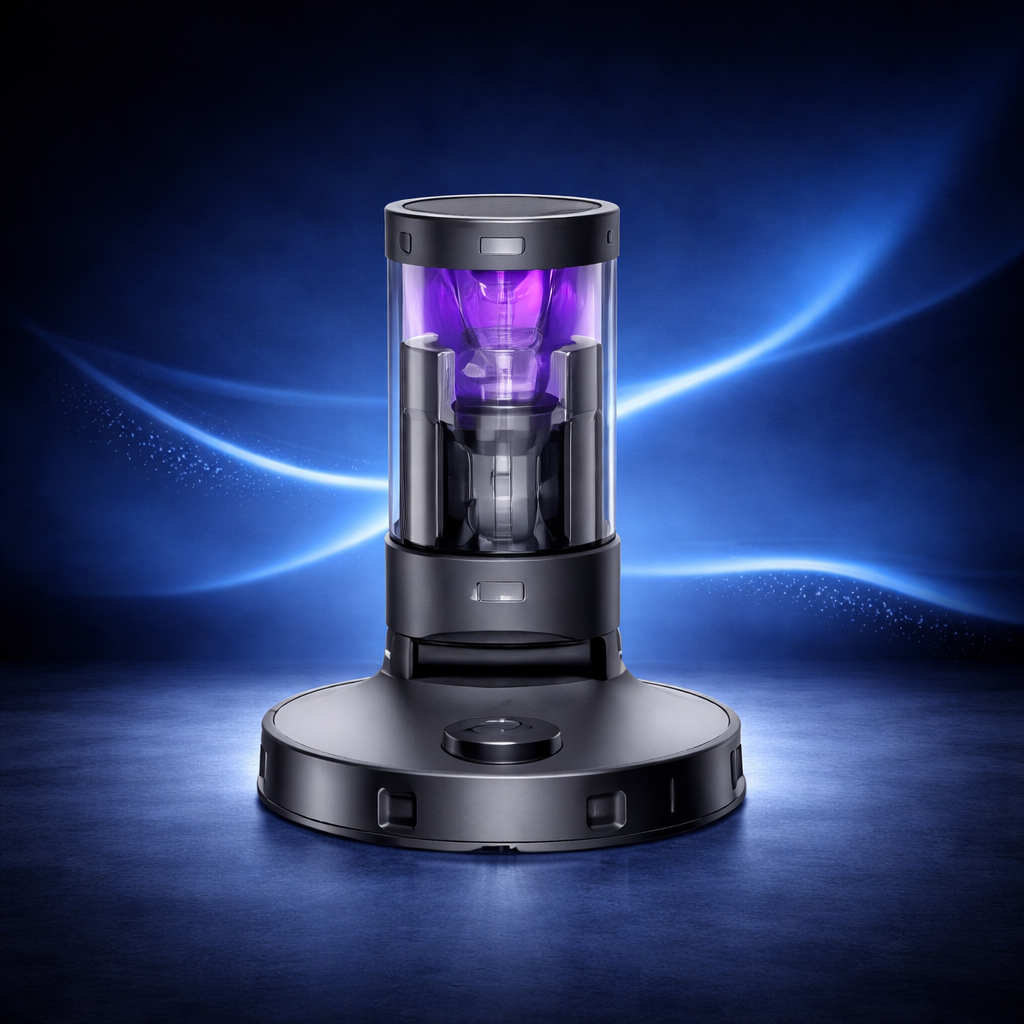
Robotic Vacuum
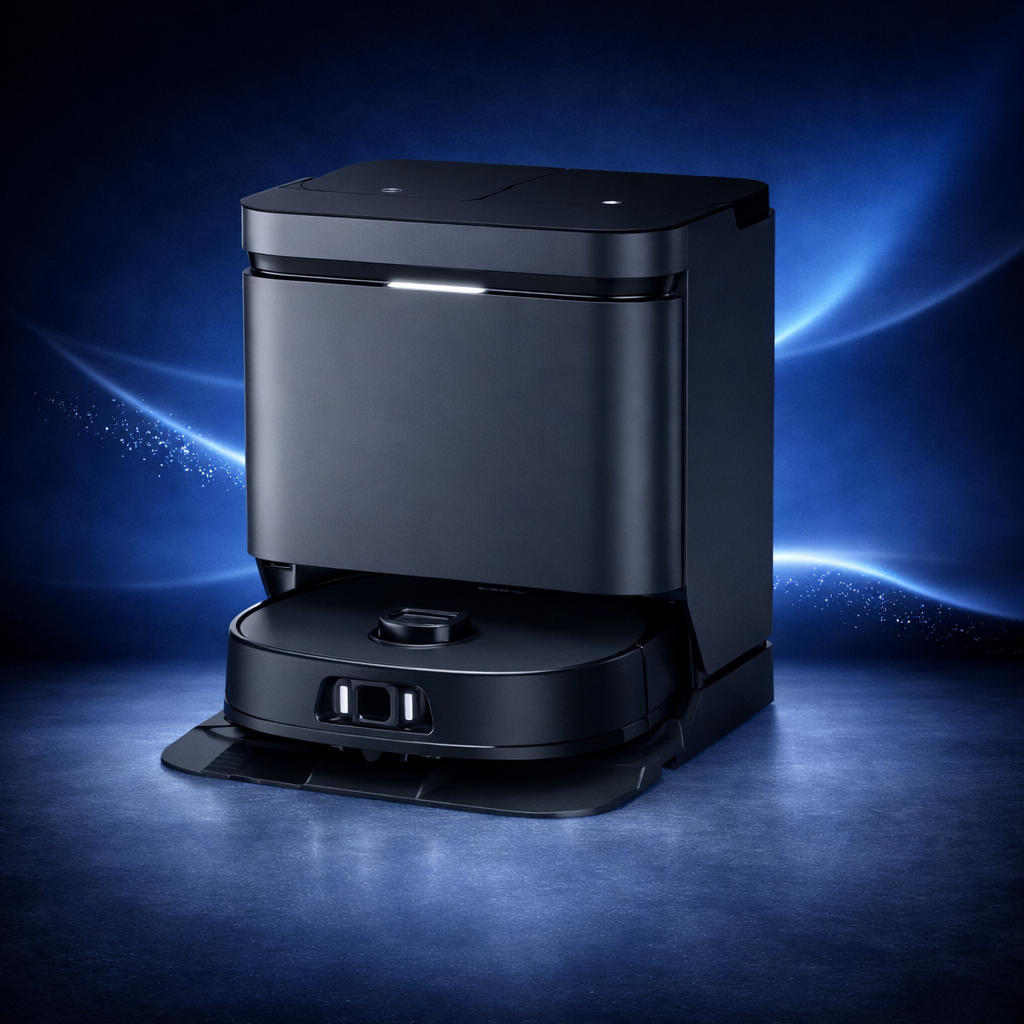
Robotic Ultra Pro
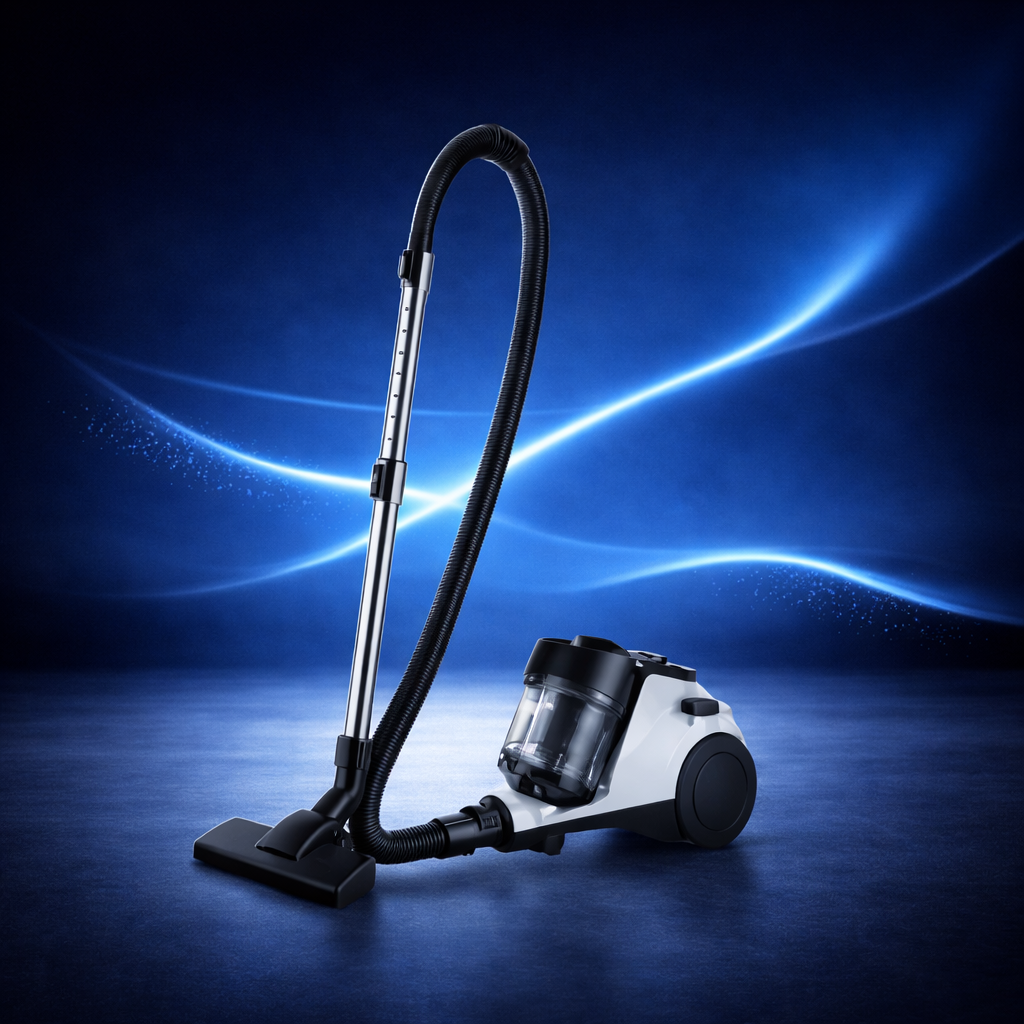
Canister Vacuum
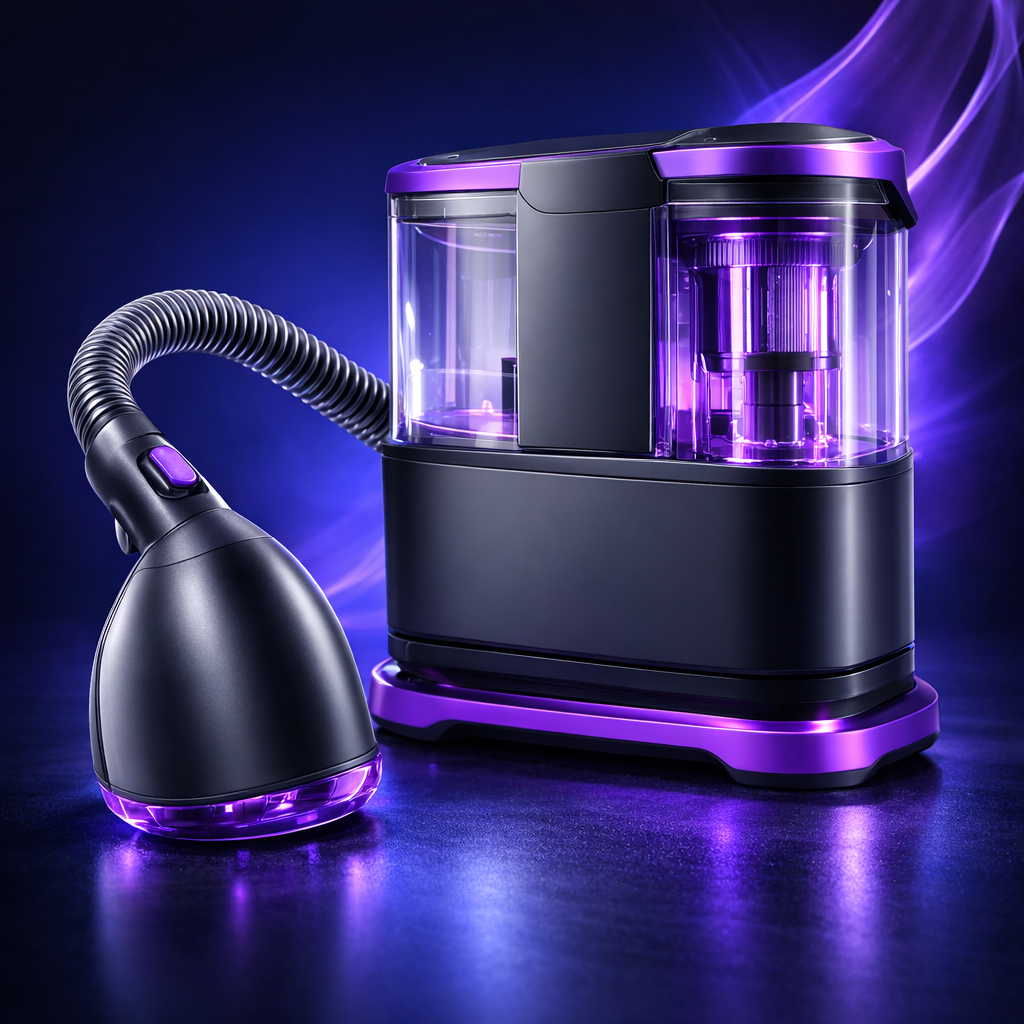
Smart robotic vacuum cleaners make home cleaning effortless. Explore advanced robot vacuum technology, compare leading models, and discover powerful automatic cleaning solutions designed for busy households.
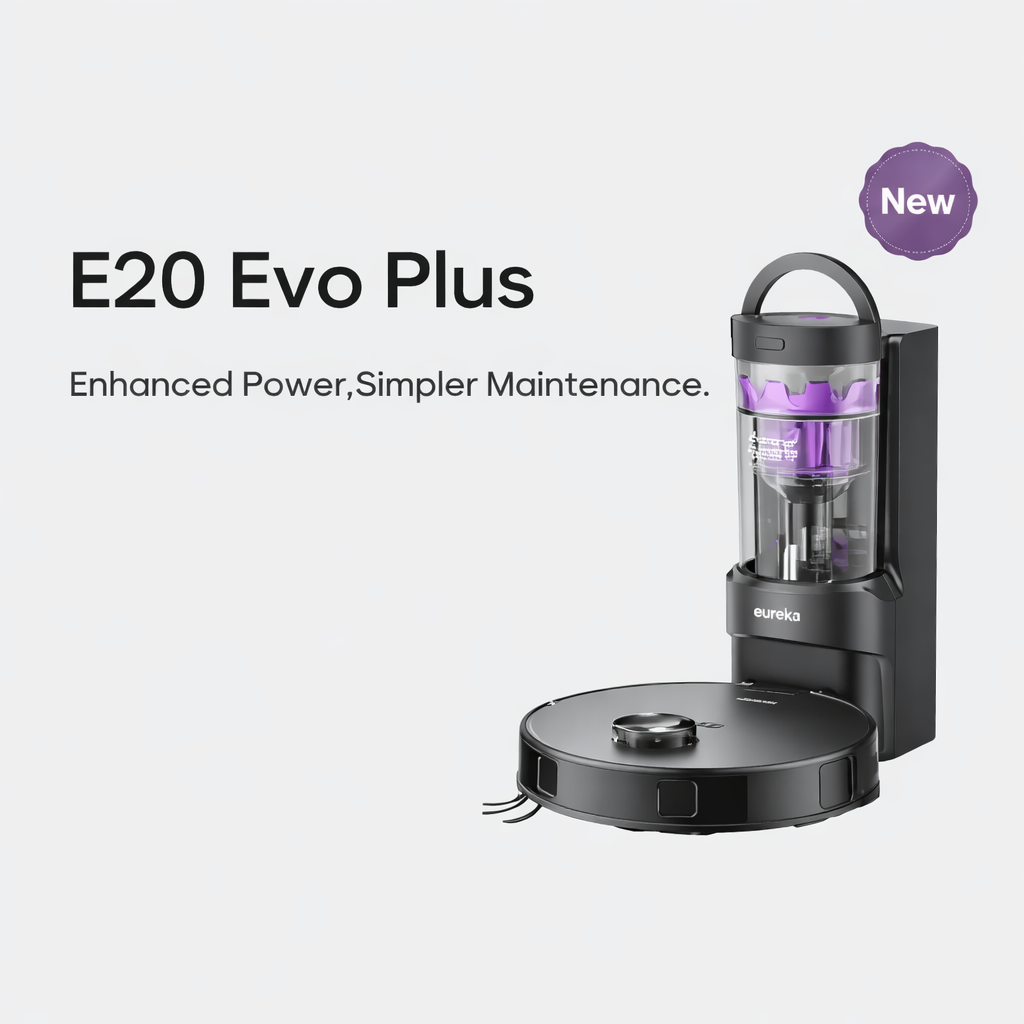
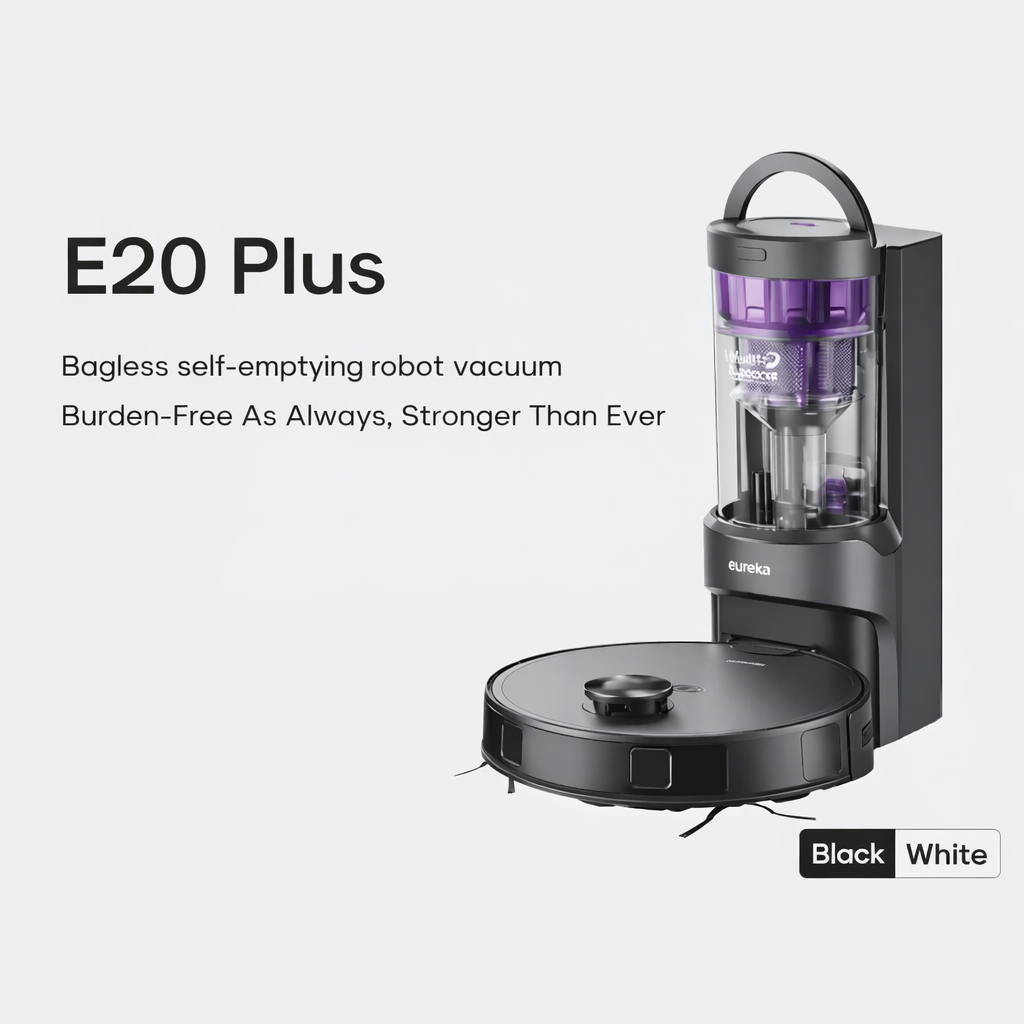
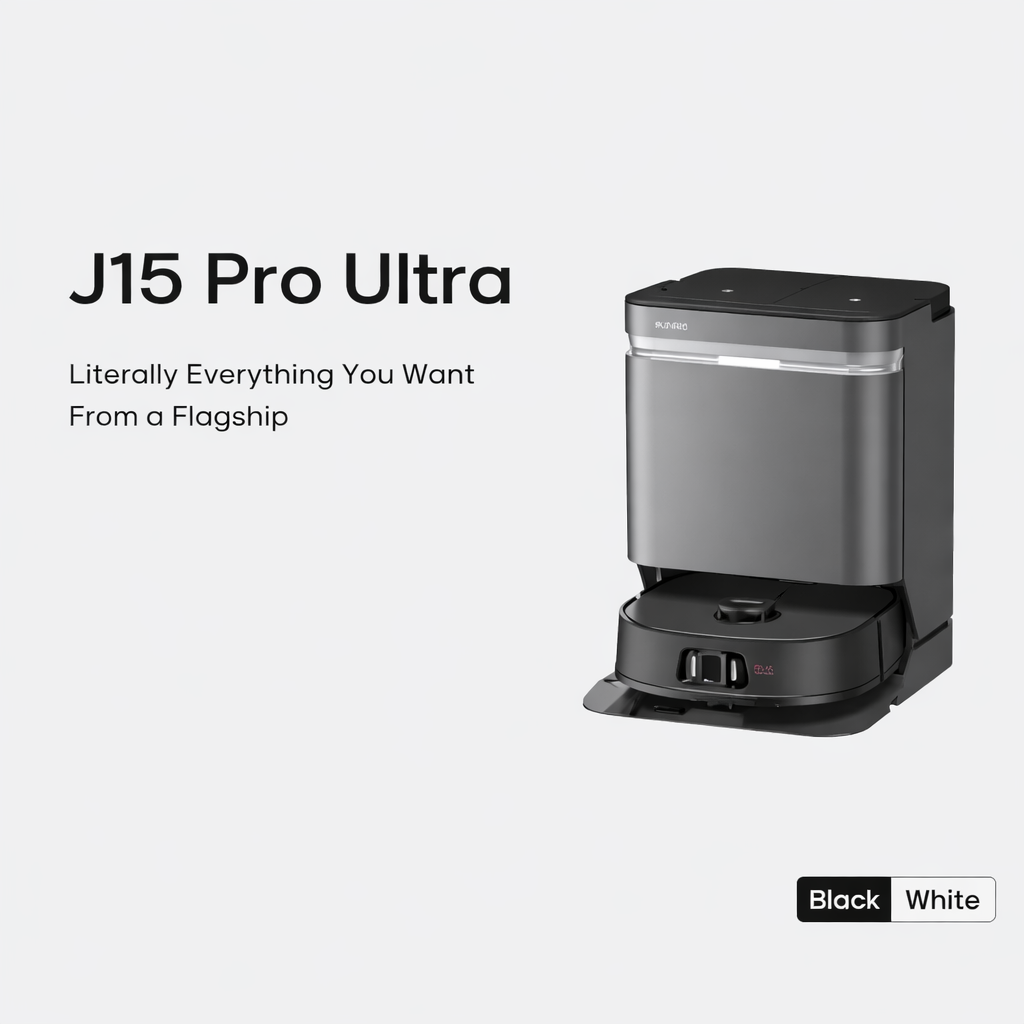
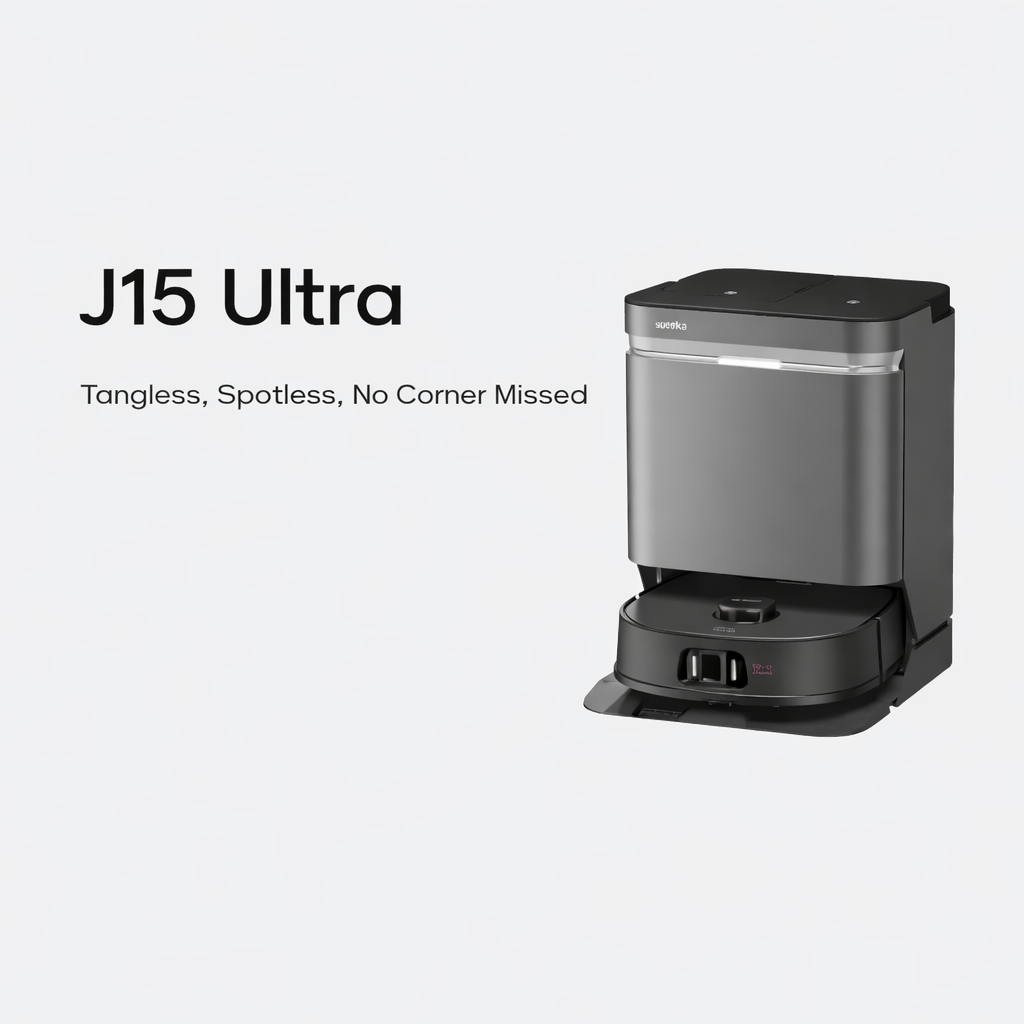
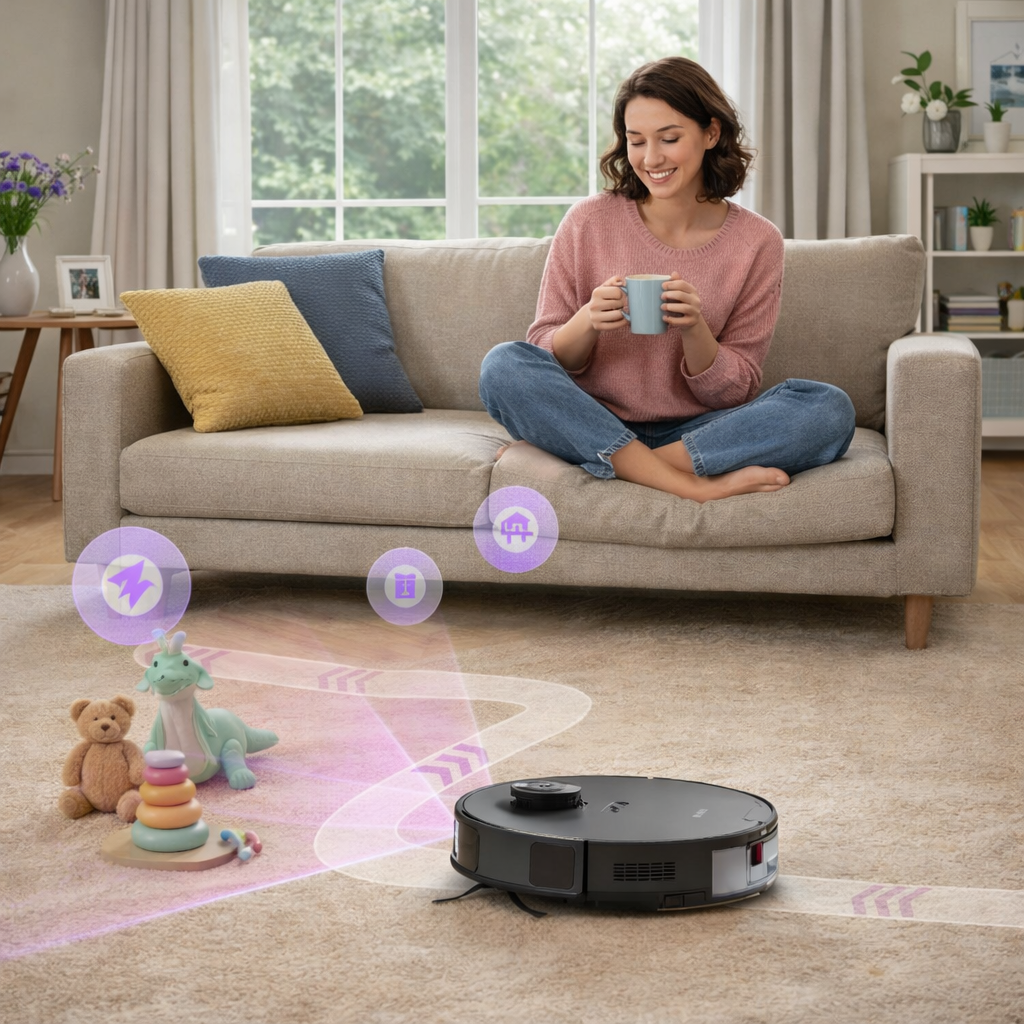
People choose our robot vacuum cleaner recommendations because they want a smarter and easier way to keep their homes clean.
Our robotic vacuum cleaner recommendations are based on real product research, performance comparisons, and verified user feedback.
We analyse cleaning power, navigation technology, battery performance, and value to help you choose the best robot vacuum for your home.
By reviewing performance, technology, and real user feedback, we help shoppers confidently choose a robot vacuum cleaner that fits their lifestyle, budget, and cleaning needs while saving time and effort every day.
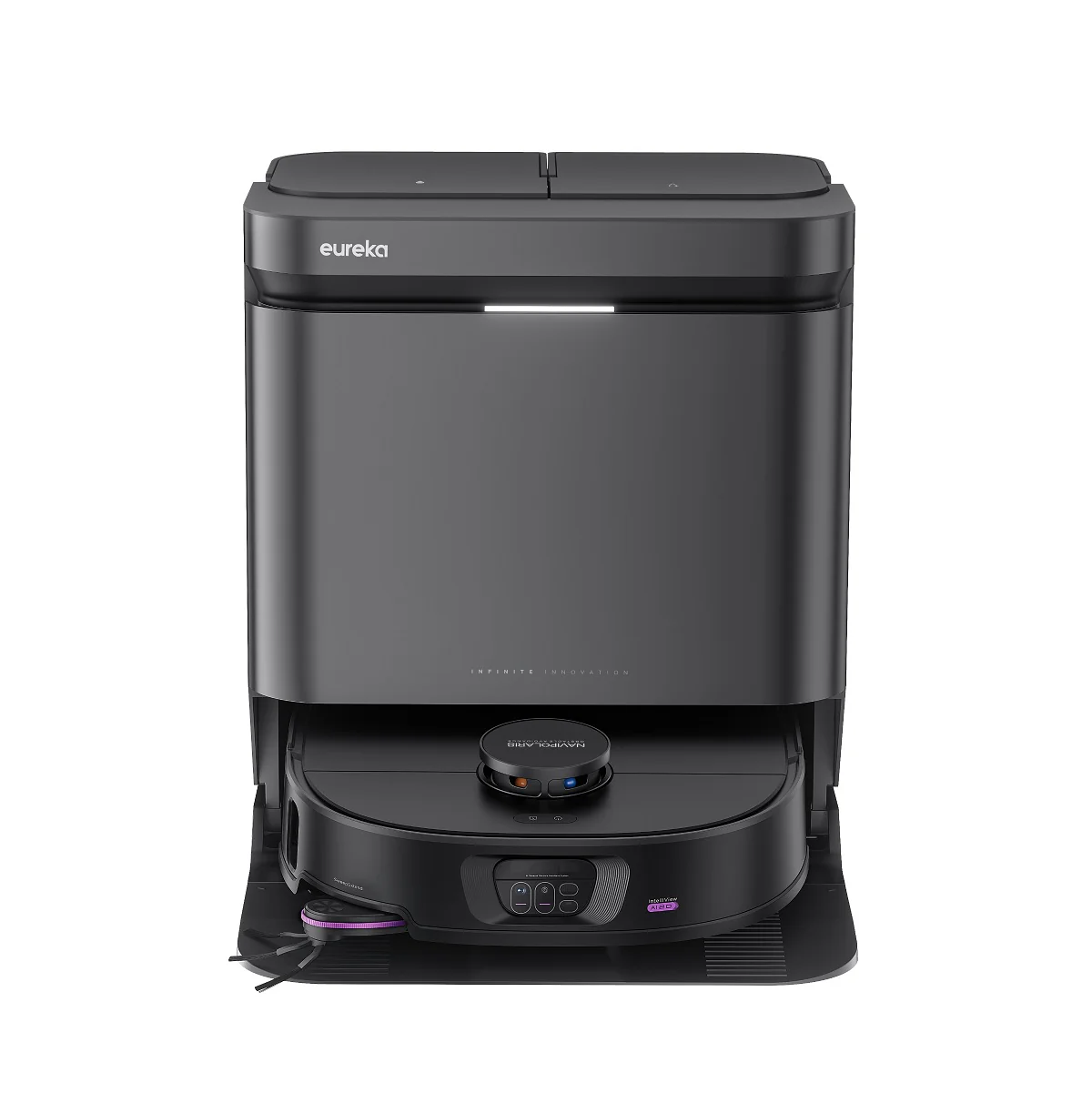
⭐⭐⭐⭐⭐
$1,199.99
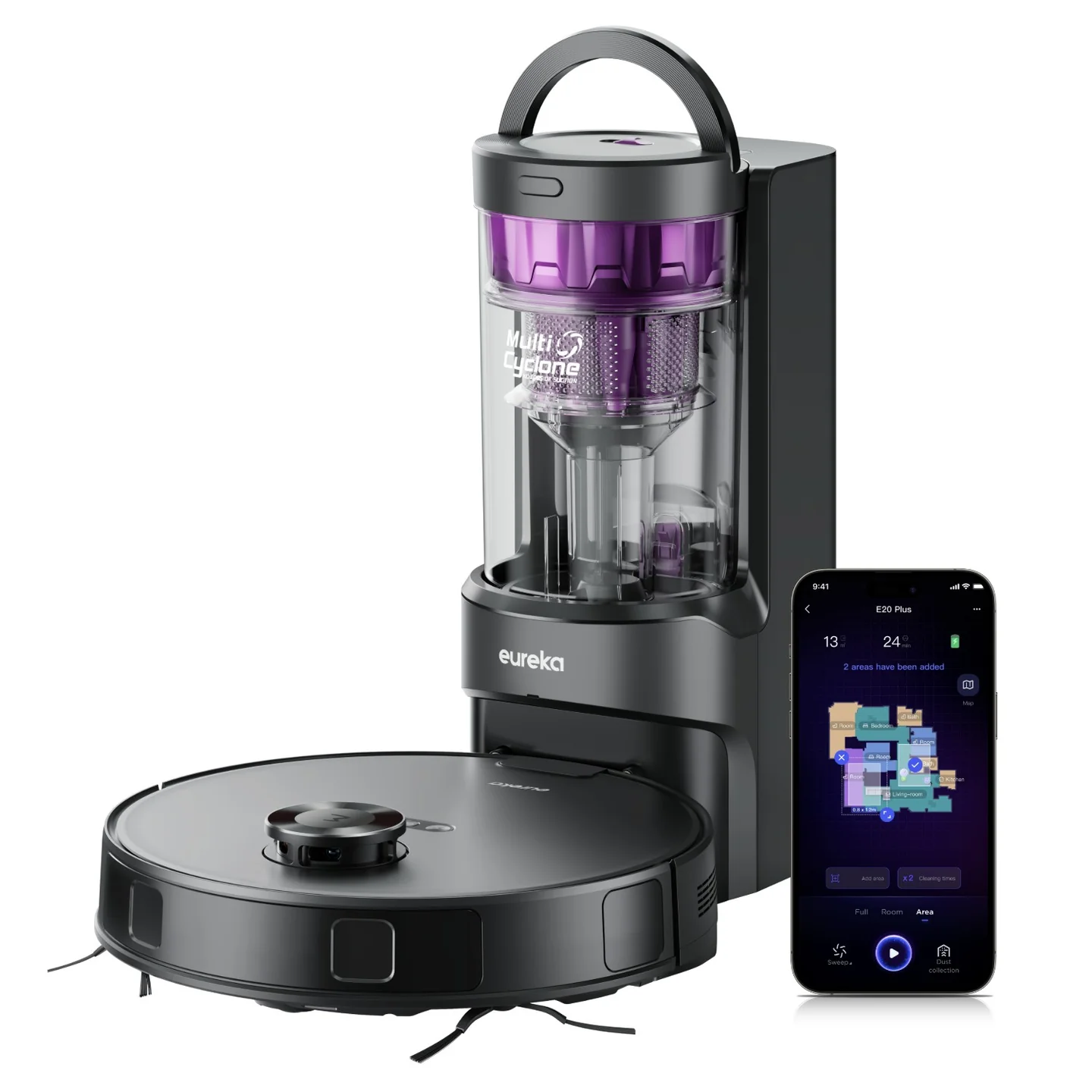
⭐⭐⭐⭐⭐
$449.99
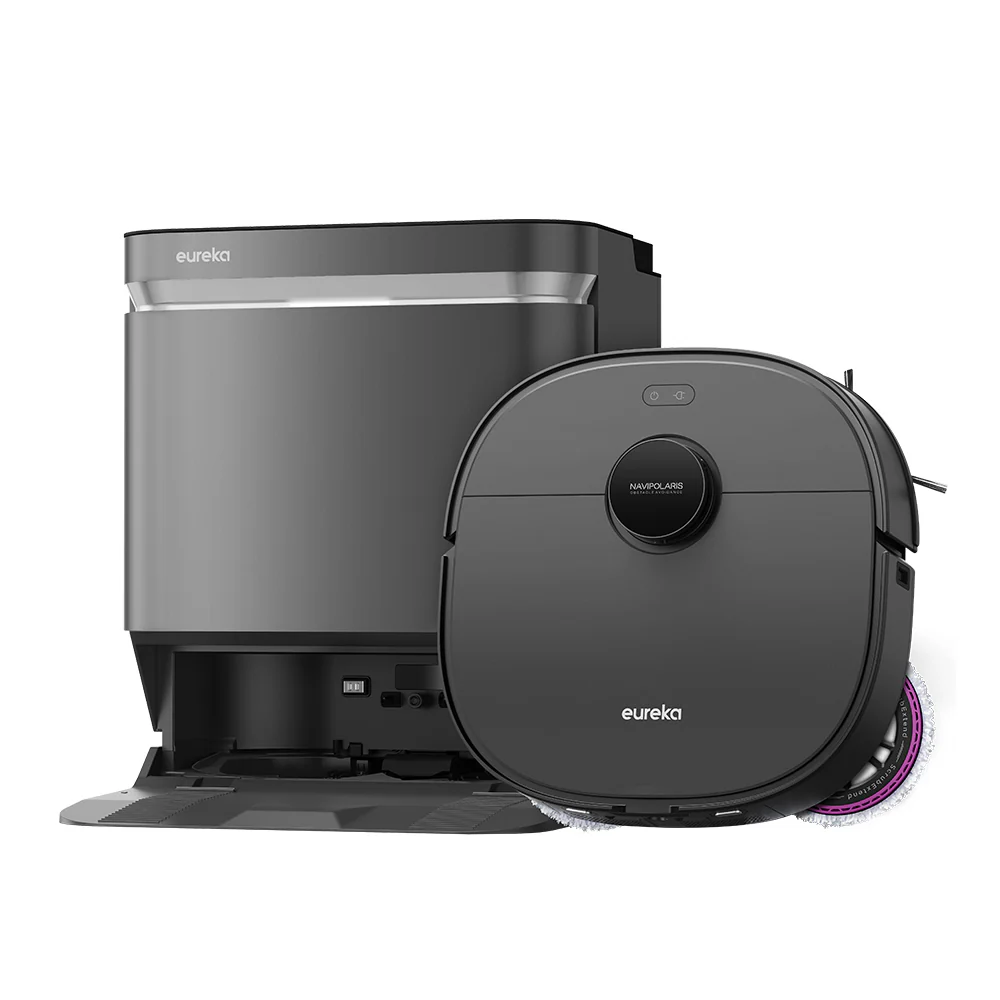
⭐⭐⭐⭐⭐
$699.99
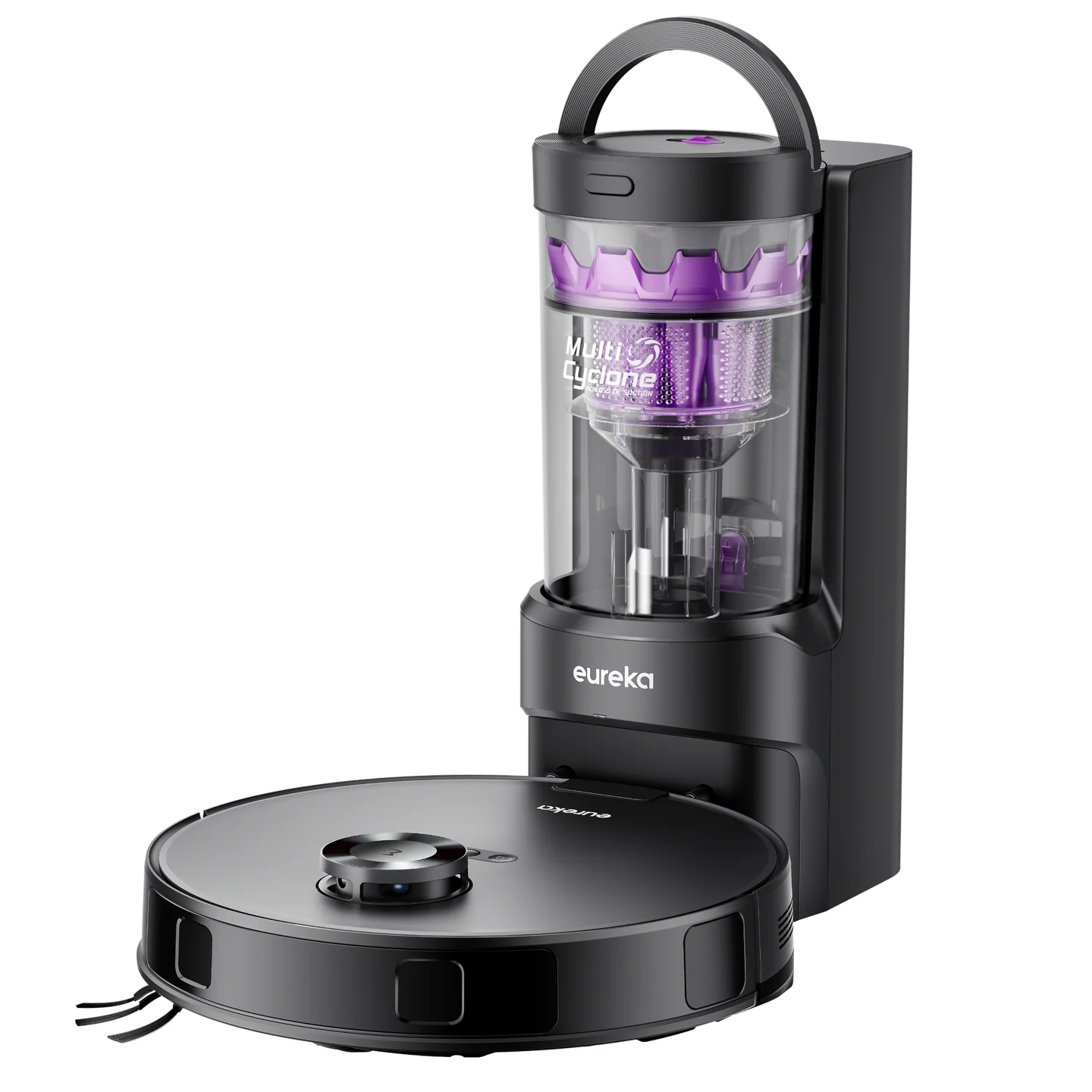
⭐⭐⭐⭐⭐
$399.99
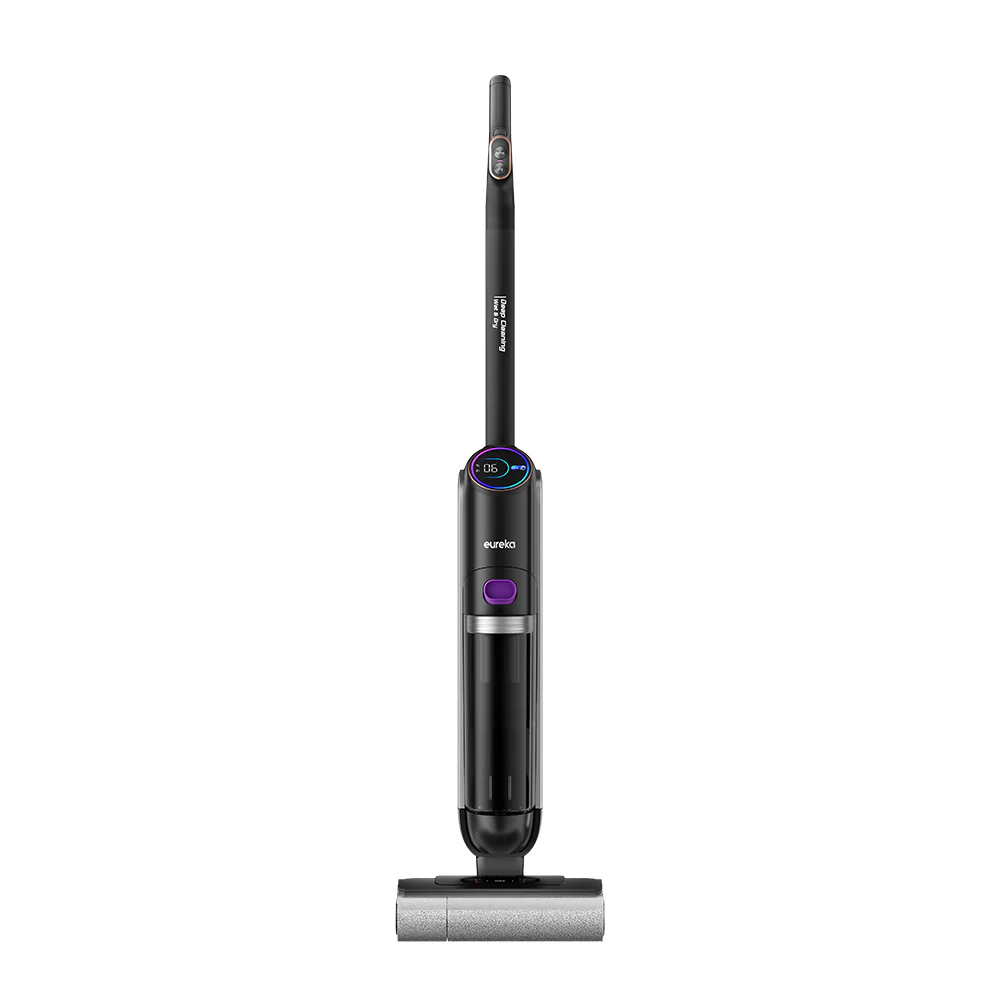
⭐⭐⭐⭐⭐
$499.99
⭐⭐⭐⭐⭐
$129.99
⭐⭐⭐⭐⭐
$124.99
⭐⭐⭐⭐⭐
$179.99
Robotic vacuum cleaners use multiple sensors to understand the environment around them. These sensors help detect walls, furniture, and obstacles such as toys or stairs. Many models include infrared sensors, bump sensors, and cliff sensors that guide the vacuum safely around the house.
When the vacuum approaches stairs or edges, the cliff sensors prevent it from falling. At the same time, obstacle sensors help the device move smoothly around furniture without causing damage.
Modern robotic vacuum cleaners use mapping technology to create a digital layout of your home. Some models use laser navigation or camera systems to scan the room and build a map.
Once the map is created, the vacuum plans the most efficient cleaning path. Instead of moving randomly, it follows organised routes across the floor to make sure every area is cleaned properly.
The cleaning system inside a robotic vacuum includes rotating brushes and a suction motor. Side brushes sweep dust and dirt toward the centre of the machine, where the main brush collects the debris.
The suction motor then pulls the dirt into the dustbin inside the vacuum. Some advanced models also come with automatic emptying stations that transfer the collected dust into a larger container.
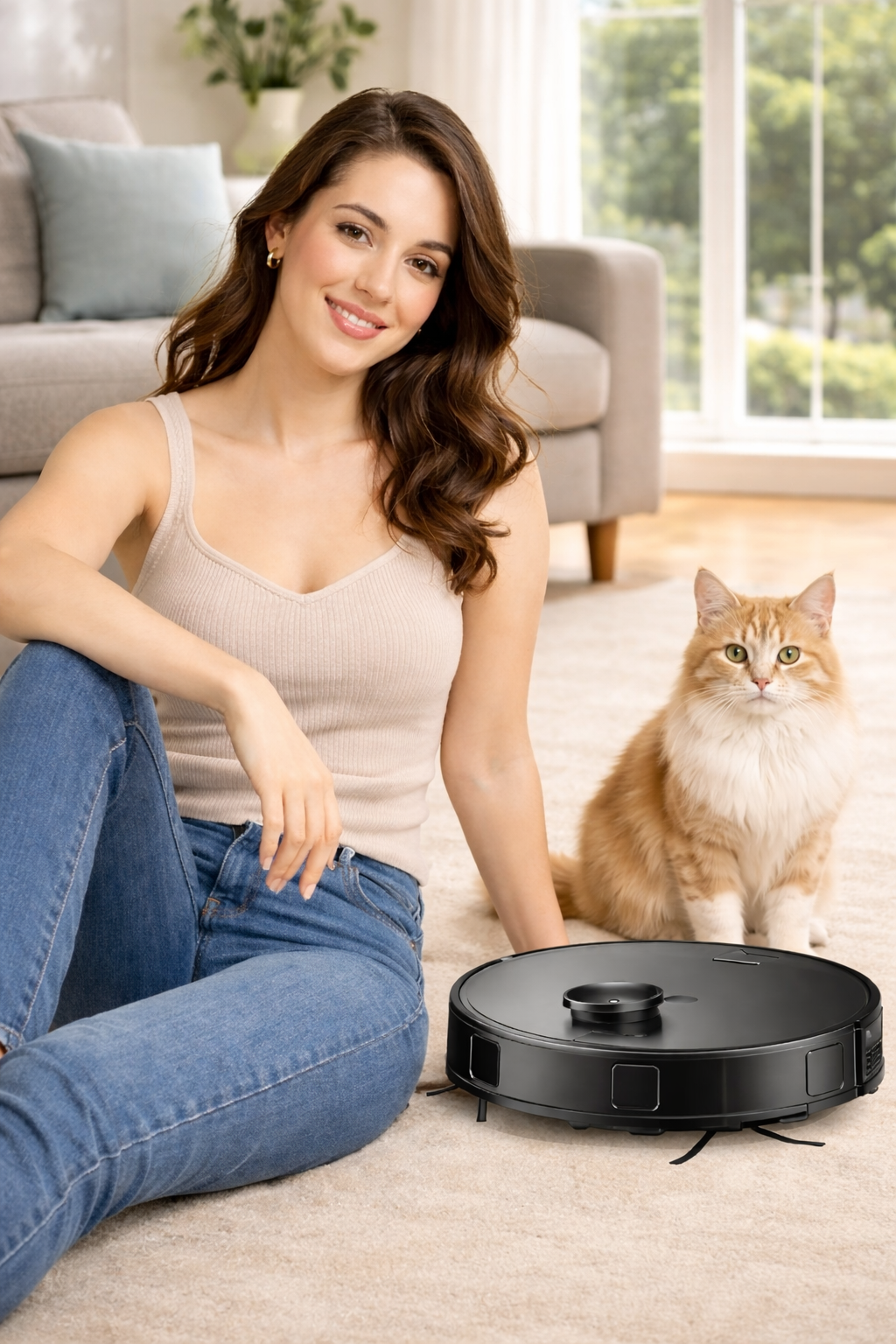
We created this Robotic Vacuum Cleaner Buying Guide to help people understand how modern cleaning technology can simplify everyday life. With so many robotic vacuum cleaners available today, choosing the right one can feel confusing. Different models offer different features, prices, and capabilities, which makes it difficult for buyers to know which option truly suits their home and cleaning needs.
This guide was designed to provide clear and practical information about the key features that matter most when selecting a robotic vacuum cleaner. From navigation technology and suction power to battery life and smart connectivity, every section focuses on helping readers make informed decisions.
Our goal is to make the buying process easier by explaining how robotic vacuum cleaners work and what benefits they bring to modern households. Whether someone lives in a small apartment or a large family home, the right robotic vacuum cleaner can save time, reduce effort, and keep floors consistently clean with minimal maintenance.
Strong suction power plays a major role in how effectively a robotic vacuum cleaner removes dirt, dust, and debris from floors. A vacuum with powerful suction can clean carpets, hardwood floors, and tiles without leaving behind small particles. Many advanced robotic vacuums automatically increase suction when they detect carpets, which improves deep cleaning performance. Homes with pets especially benefit from higher suction power because pet hair and dander can easily stick to carpets and furniture. Choosing a model with adjustable suction settings also helps balance cleaning power with battery efficiency.
Battery life determines how long a robotic vacuum cleaner can clean before needing to recharge. A strong battery allows the device to cover larger areas without interruption. Many modern robotic vacuums can operate for 90 to 180 minutes on a single charge depending on the cleaning mode and floor type. When the battery becomes low, most robotic vacuums automatically return to their charging station and resume cleaning once recharged. This feature is particularly useful for larger homes. Choosing a vacuum with reliable battery performance ensures consistent cleaning without frequent manual charging.
A self-emptying dock adds a high level of convenience to robotic vacuum cleaners. After completing a cleaning session, the vacuum returns to the docking station where collected dust and debris are automatically transferred into a larger container. This reduces the need to empty the dustbin after every cleaning cycle. Some docking stations can hold several weeks of dust before needing to be emptied manually. For busy households, this feature saves time and keeps maintenance simple. A self-emptying system also helps maintain consistent suction performance by preventing the internal dustbin from becoming overloaded.
A smart navigation system allows a robotic vacuum cleaner to move efficiently throughout the home while avoiding obstacles. Advanced models use laser sensors, cameras, or mapping technology to understand room layouts and create cleaning paths. Instead of moving randomly, the vacuum follows organised routes that ensure every corner of the room is covered. This improves cleaning speed and prevents areas from being missed. Navigation systems also help the vacuum avoid furniture, walls, and stairs. Some robotic vacuums even allow users to create virtual boundaries or restricted zones for more precise cleaning control.
Sensors help robotic vacuum cleaners move safely and intelligently around the home. These sensors detect obstacles, walls, furniture, and edges to prevent collisions or accidents. Cliff sensors are especially important because they stop the vacuum from falling down stairs or ledges. Some models also include dirt detection sensors that recognise heavily soiled areas and increase cleaning intensity. With advanced sensors, the robotic vacuum can navigate tight spaces and complex room layouts more effectively. This technology improves cleaning accuracy while protecting furniture and other household items from unnecessary bumps.
Smart app control allows users to manage their robotic vacuum cleaner directly from a smartphone. With a dedicated mobile app, users can start or stop cleaning, schedule cleaning sessions, and monitor cleaning progress in real time. Many apps also allow users to create room maps, set restricted areas, and adjust suction levels depending on cleaning needs. Some robotic vacuums even support voice control through smart assistants, which adds another level of convenience. Smart connectivity makes it easier to customise cleaning routines and keep floors clean even when you are away from home.
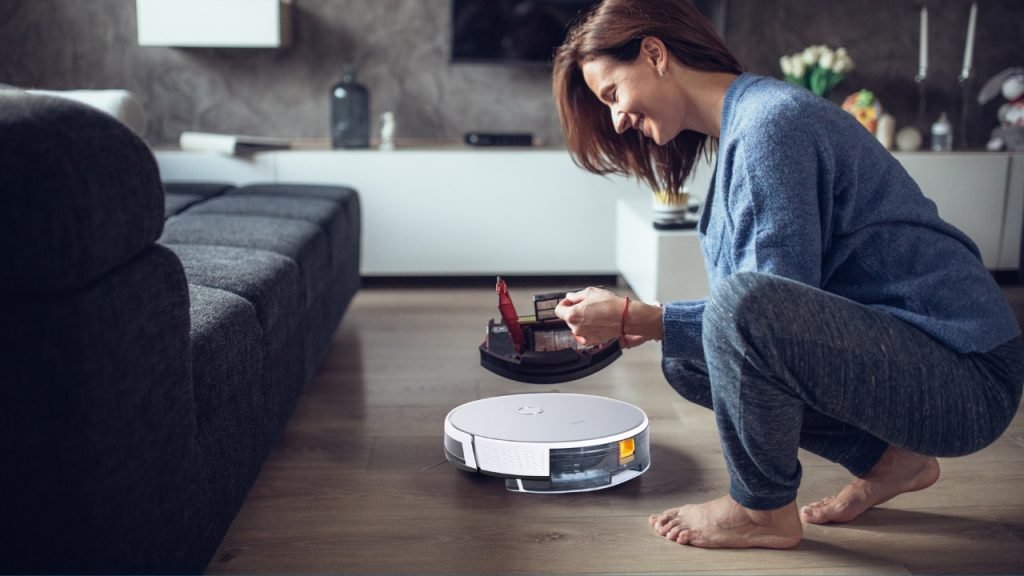

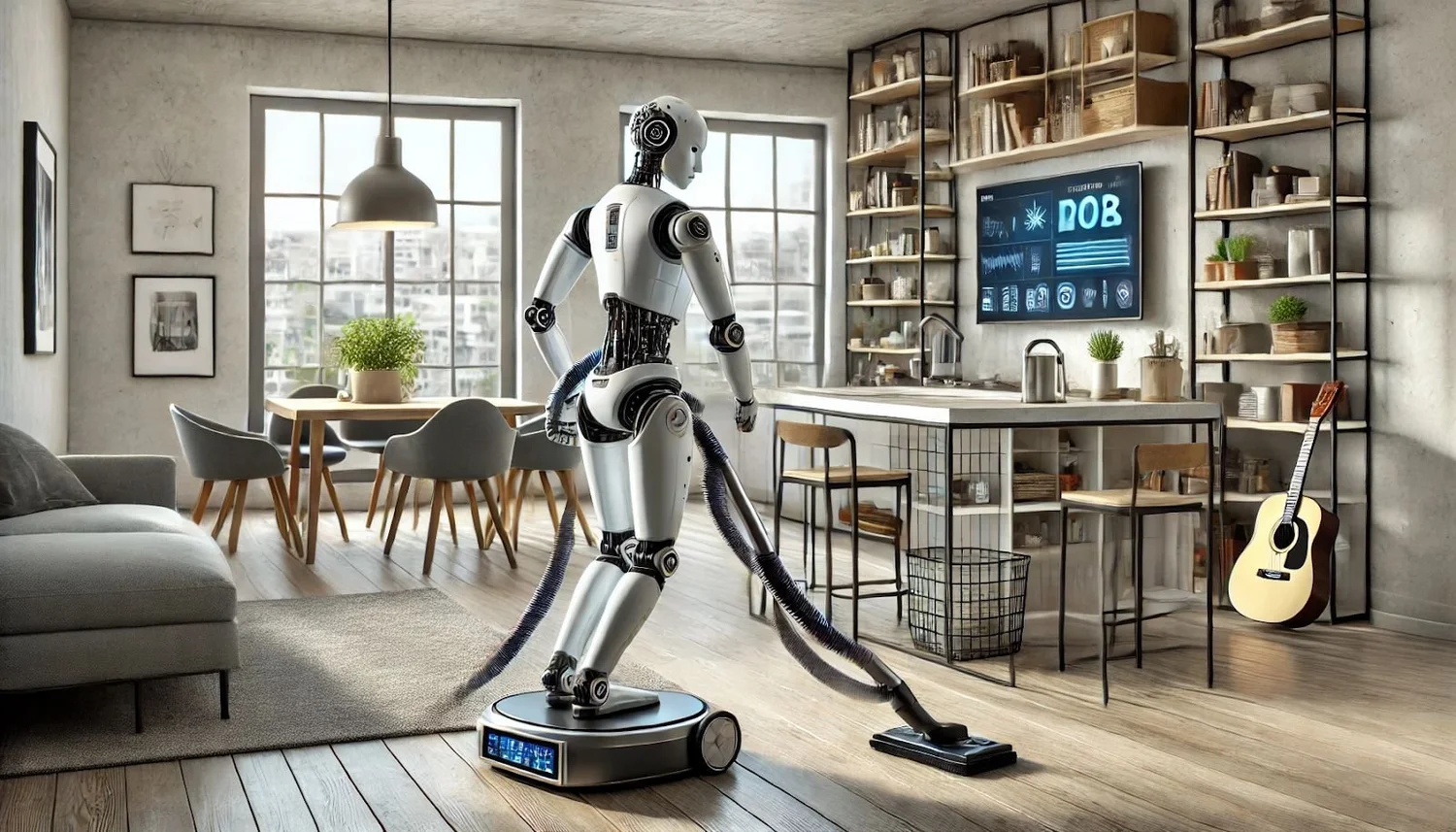









A robotic vacuum cleaner uses rotating brushes and a suction motor to collect dust, crumbs, and debris from floors. Sensors help the device move around furniture and avoid obstacles. The vacuum follows a cleaning path to cover the room efficiently while storing collected dirt inside its dustbin.
Battery life usually depends on the model and cleaning mode. Most robotic vacuum cleaners run between 90 and 150 minutes on a single charge. When the battery becomes low, many models automatically return to their charging station and recharge before continuing the cleaning process.
Running a robotic vacuum cleaner once a day or several times a week helps maintain clean floors. Many users schedule automatic cleaning sessions through a mobile app. Regular cleaning prevents dust and debris from building up and keeps the home consistently tidy.
Yes, most robotic vacuum cleaners are designed to clean multiple floor types. They can remove dust and debris from hardwood floors, tiles, and carpets. Many advanced models automatically adjust suction power when they detect carpets to improve cleaning performance and remove dirt more effectively.
Yes, robotic vacuum cleaners are very helpful for homes with pets. Many models are designed to collect pet hair, dust, and small debris from floors and carpets. Strong suction power and specialised brushes help remove hair without clogging the cleaning system.
Yes, basic maintenance helps keep a robotic vacuum cleaner working properly. Users should empty the dustbin, clean the brushes, and check the filters regularly. Keeping sensors clean and removing hair from brushes improves cleaning performance and extends the device’s lifespan.
🆚Help Me Choose👍