Robotic vacuum cleaners have transformed the way people clean their homes. What began as simple automated machines that moved randomly across floors has evolved into highly intelligent cleaning devices powered by advanced technology. Modern robotic vacuum cleaners now include features that make them more efficient, convenient, and capable of handling different cleaning tasks.
As smart home technology continues to improve, robotic vacuum cleaners are becoming more powerful and intelligent. Manufacturers are introducing innovations that allow these devices to clean more thoroughly, avoid obstacles more effectively, and integrate seamlessly with smart home systems. These improvements make robotic vacuum cleaners an attractive option for homeowners who want reliable cleaning with minimal effort.
In recent years, advancements in sensors, artificial intelligence, battery technology, and automation have significantly improved robotic vacuum performance. These innovations allow the devices to map homes accurately, clean specific areas, and even empty their dustbins automatically.
This article explores the latest innovations in robotic vacuum cleaners and how these technologies are improving home cleaning.
Advanced Mapping and Navigation Systems
One of the most important innovations in robotic vacuum cleaners is advanced navigation technology. Early robotic vacuums moved randomly around rooms and relied on bump sensors to change direction when they encountered obstacles.
Modern robotic vacuum cleaners use sophisticated mapping systems that create detailed layouts of homes. Laser sensors, cameras, and intelligent algorithms allow the vacuum to scan the environment and build accurate floor maps.
These maps help the device plan the most efficient cleaning route. Instead of moving randomly, the robotic vacuum follows a structured path that ensures every area of the floor is covered.
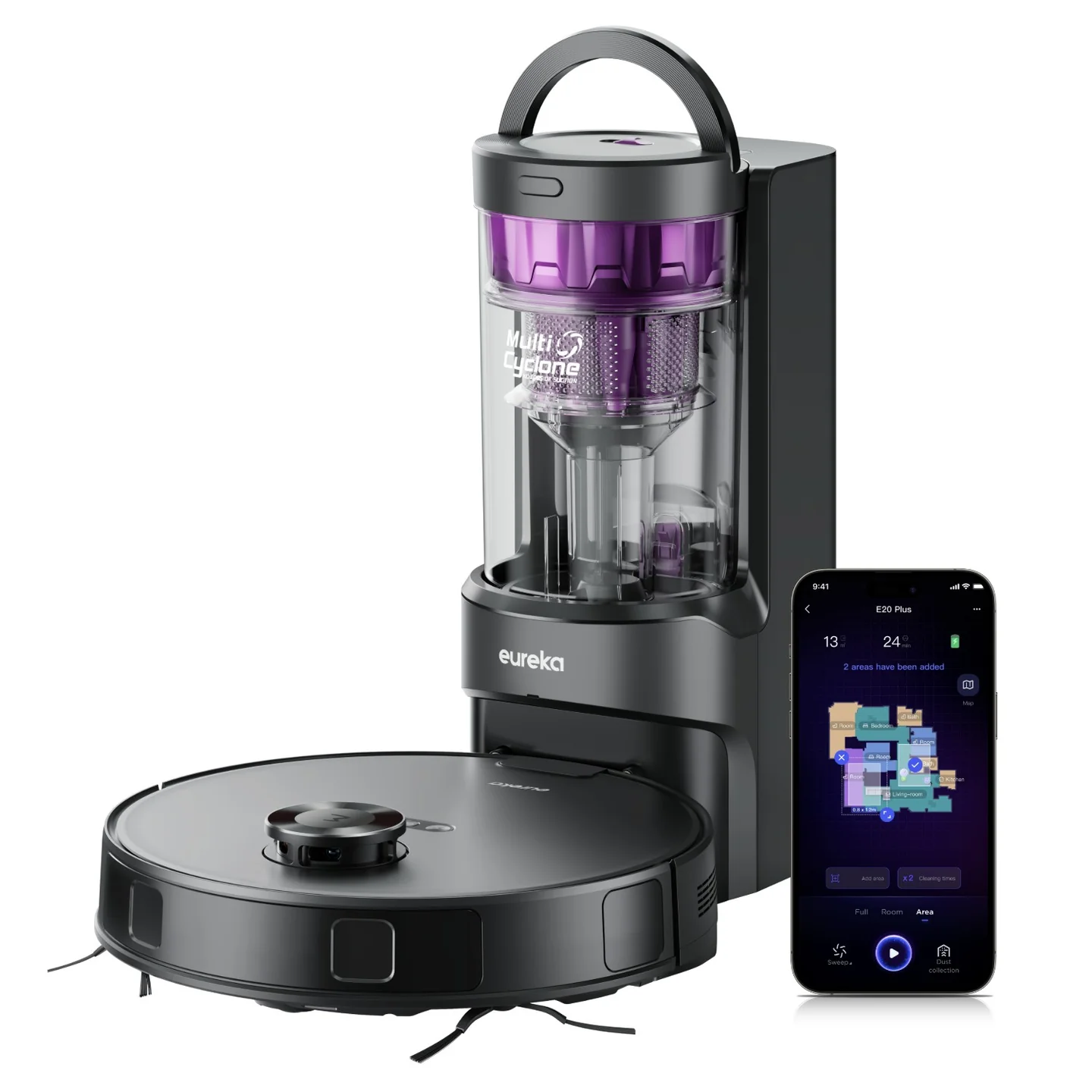
Some robotic vacuums also allow users to view and manage these maps through mobile apps. Homeowners can select specific rooms to clean or create restricted zones where the vacuum should not enter.
Improved navigation technology has greatly increased the efficiency and accuracy of robotic cleaning.
Artificial Intelligence for Smart Cleaning
Artificial intelligence has become a key innovation in robotic vacuum cleaners. AI powered systems allow the vacuum to recognise objects and adapt its cleaning strategy.
Using cameras and sensors, some robotic vacuums can identify common household items such as furniture, shoes, cables, and pet bowls. This allows the vacuum to avoid obstacles more effectively and prevent getting stuck.
AI technology also helps robotic vacuums adjust their cleaning behaviour. For example, when the device detects a heavily soiled area, it can increase suction power or repeat cleaning in that section.
Some advanced models even learn the layout of the home over time. As the vacuum continues to clean, it improves its navigation and becomes more efficient with each cleaning cycle.
These intelligent systems make robotic vacuum cleaners more reliable and capable than earlier models.
Self Emptying Dust Collection Systems
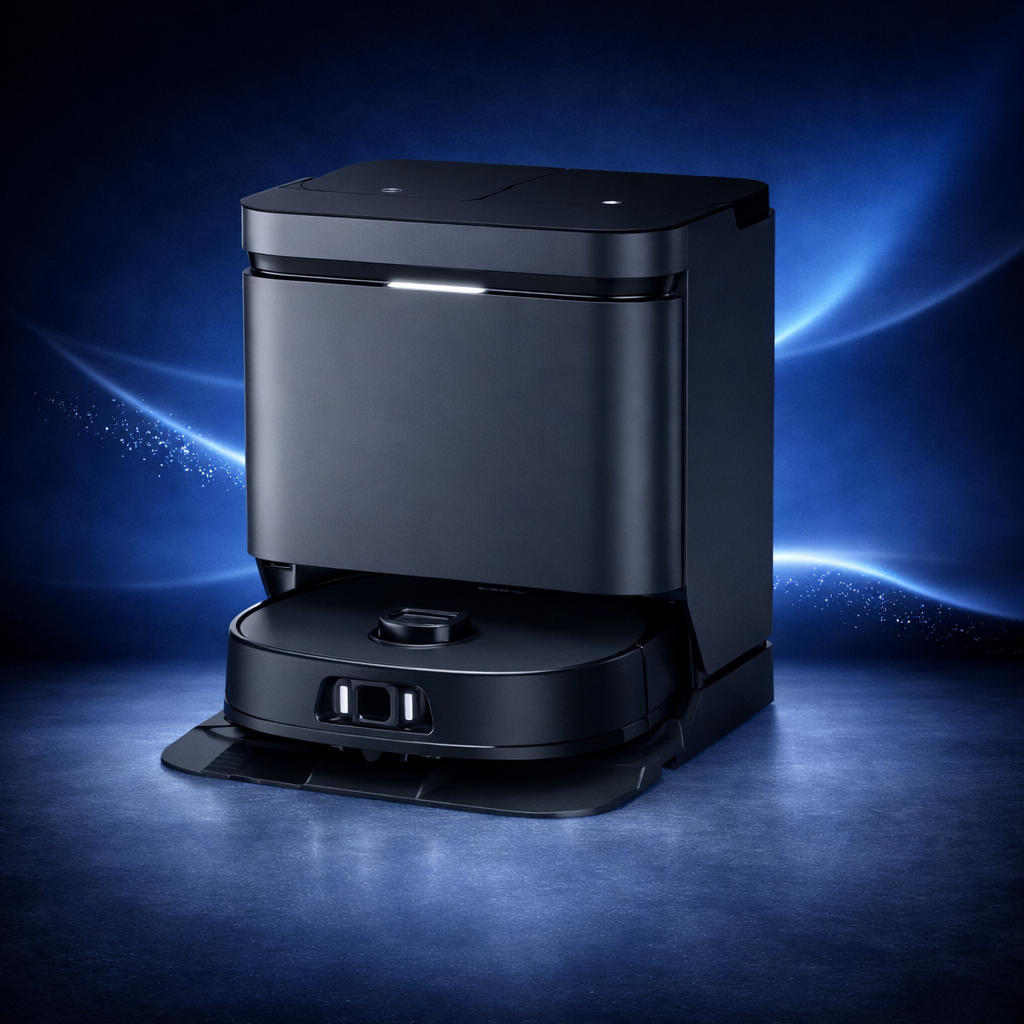
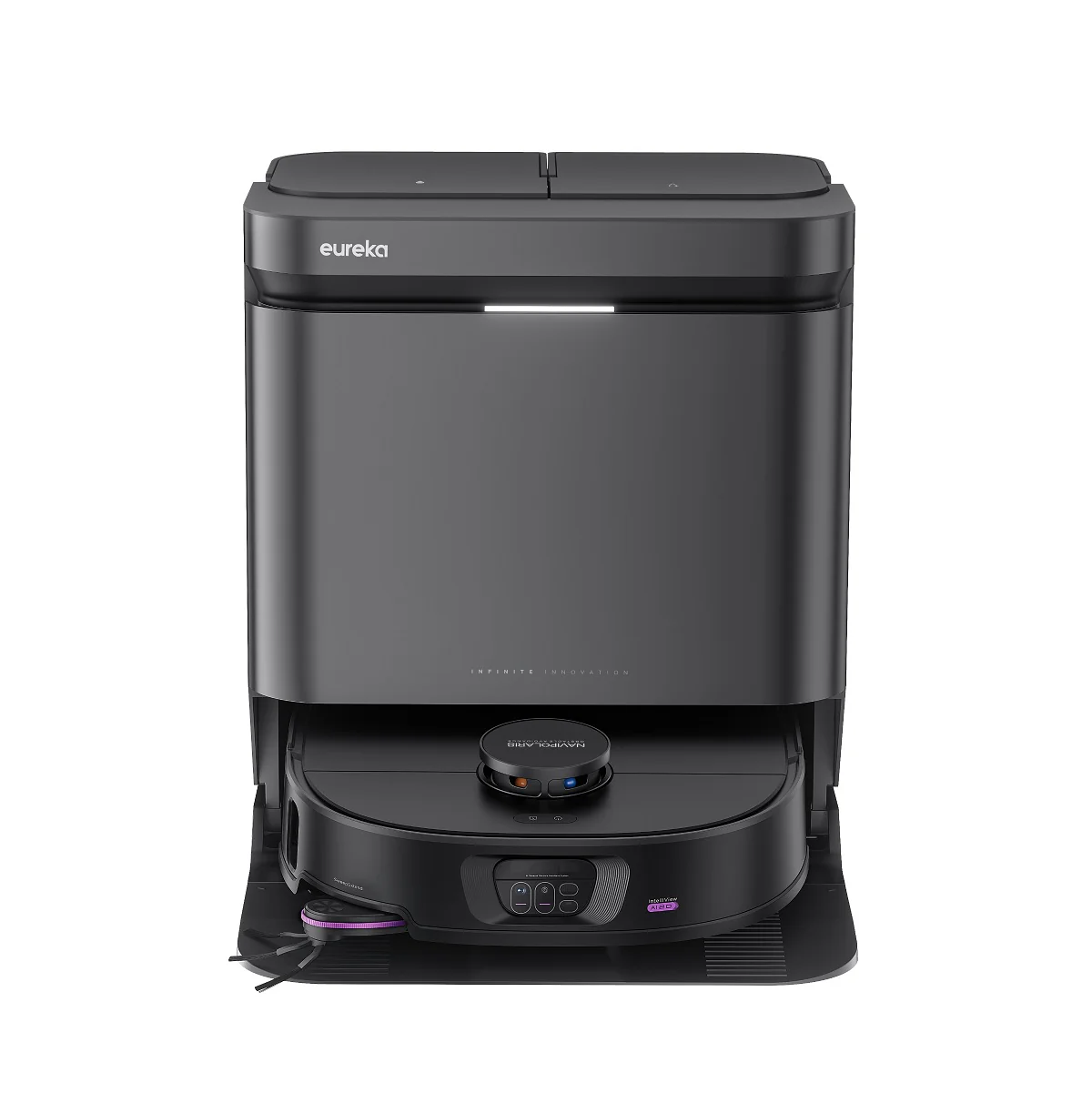
Another important innovation is the introduction of self emptying docking stations. Traditional robotic vacuums require users to empty the dustbin after each cleaning session.
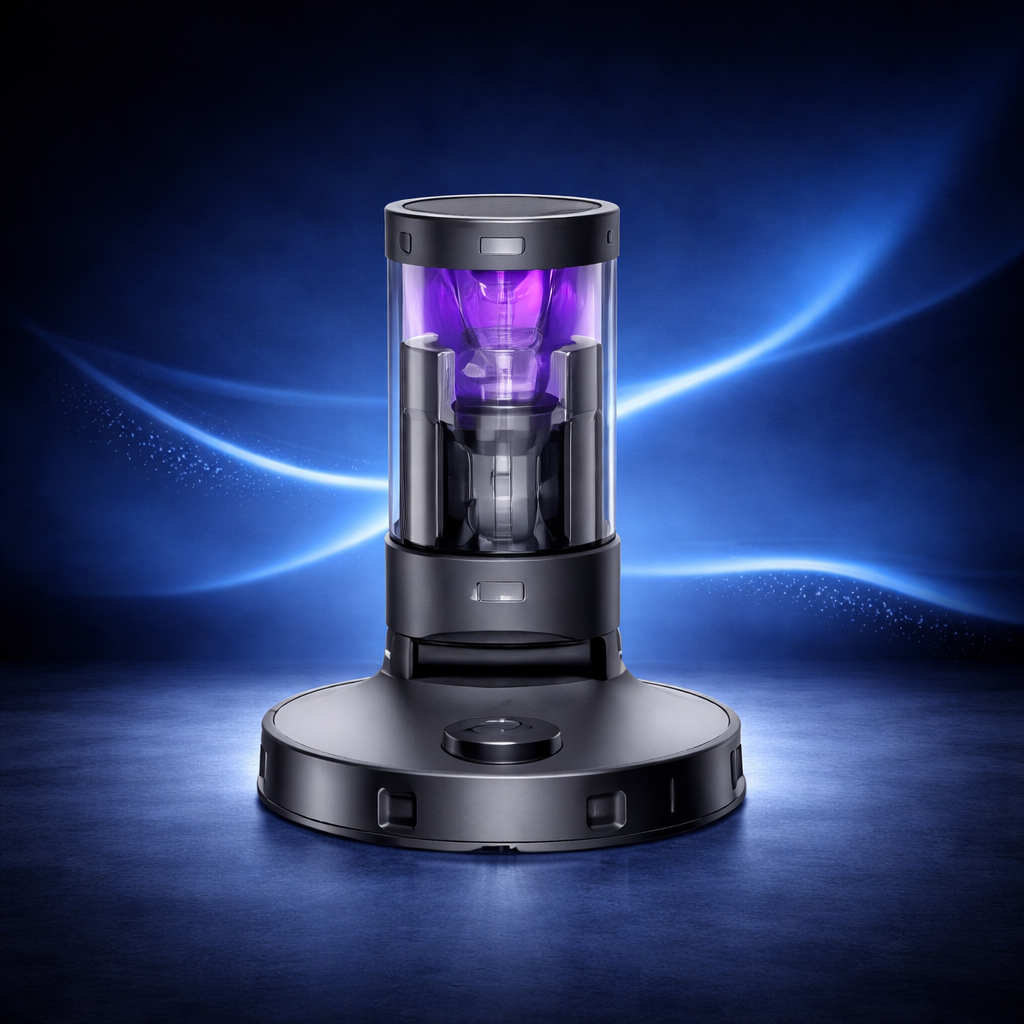
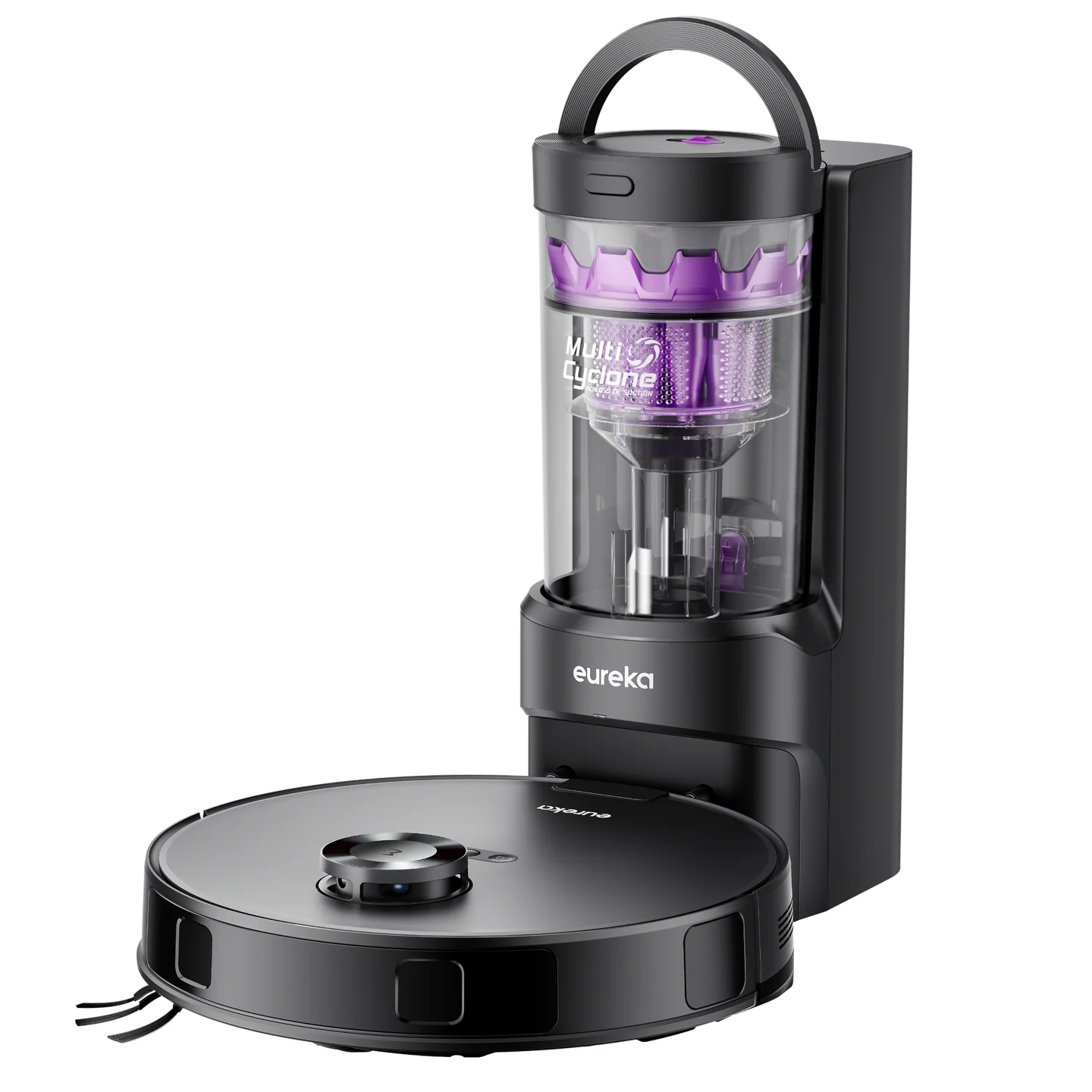
Self emptying systems solve this problem by transferring collected debris from the vacuum into a larger container located in the charging station.
When the robotic vacuum returns to the dock, a powerful suction mechanism removes the contents of the dustbin and stores them in the base station.
Some docking stations can hold several weeks of dust before needing to be emptied manually. This greatly reduces maintenance and allows the vacuum to operate for longer periods without human intervention.
Self emptying systems are especially useful for households with pets where large amounts of hair accumulate on floors.
Vacuum and Mop Combination Technology
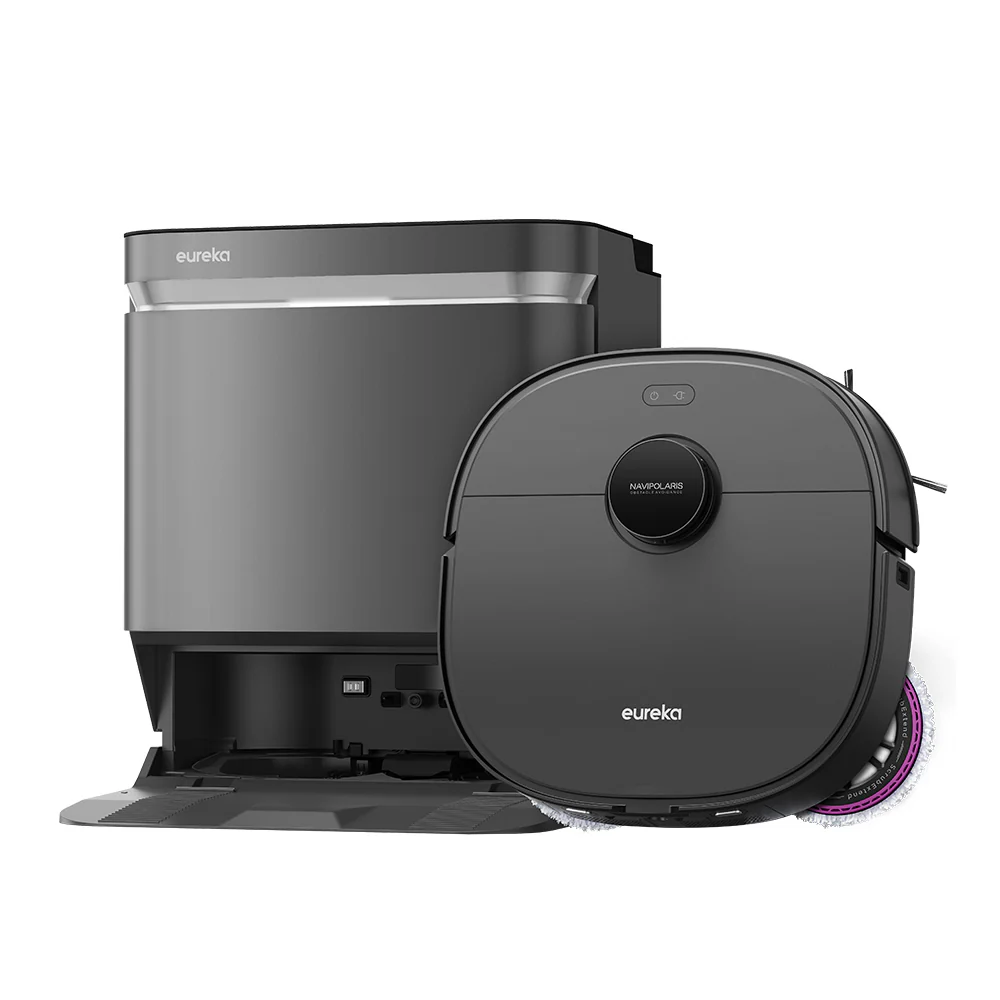
Many modern robotic vacuum cleaners now combine vacuuming and mopping functions in a single device. These hybrid models allow homeowners to clean both dust and stains with one machine.
The vacuum component removes loose debris while the mopping system uses water and cleaning pads to wipe the floor surface.
Advanced models include intelligent water control systems that regulate the amount of moisture applied during cleaning. Some robotic vacuums can also detect carpets and automatically lift the mop pads to avoid wetting carpeted areas.
This combination technology helps improve overall floor cleanliness and reduces the need for separate cleaning devices.
Homes with tile, laminate, or hardwood floors benefit greatly from robotic vacuum and mop combinations.
Improved Suction Power
Suction power has increased significantly in newer robotic vacuum models. Early robotic vacuums often struggled to clean carpets or remove stubborn debris.
Modern robotic vacuum cleaners include stronger motors that generate higher suction levels. This improvement allows the devices to remove dirt more effectively from carpets and hard floors.
Many robotic vacuums now include automatic suction adjustment. When the device detects a carpet surface, it increases suction power to improve deep cleaning performance.
This innovation ensures better cleaning results across different floor types while maintaining battery efficiency on smoother surfaces.
Higher suction power has made robotic vacuums more capable of handling everyday cleaning tasks.
Smart Home Integration
Smart home connectivity is another major innovation in robotic vacuum cleaners. Many modern devices can connect to home WiFi networks and integrate with smart home platforms.
Users can control robotic vacuum cleaners through mobile apps, voice assistants, or smart home hubs. This allows homeowners to start or stop cleaning sessions, set schedules, and monitor cleaning progress remotely.
Voice commands through smart speakers allow users to activate the vacuum without touching a device.
Smart home integration also allows robotic vacuums to work alongside other automated home systems. For example, the vacuum can begin cleaning after residents leave the house or stop cleaning when someone enters the room.
These features provide greater convenience and flexibility for users.
Longer Battery Life and Faster Charging
Battery technology has also improved in recent robotic vacuum cleaners. Newer models include higher capacity batteries that allow longer cleaning sessions.
Some robotic vacuums can now operate for up to three hours on a single charge. This extended runtime allows the device to clean larger homes without interruption.
Many robotic vacuums also include automatic recharge and resume features. When the battery becomes low, the vacuum returns to its charging station. After recharging, the device resumes cleaning from the location where it stopped.
Faster charging technology has also reduced downtime between cleaning sessions.
These improvements allow robotic vacuums to maintain consistent performance in larger living spaces.
Advanced Obstacle Avoidance Systems
Obstacle detection has improved significantly in recent robotic vacuum models. Advanced sensors and cameras allow the device to identify obstacles before making contact.
Earlier robotic vacuums relied heavily on bump sensors, which meant they needed to physically touch objects before changing direction.
Modern obstacle avoidance systems use infrared sensors, cameras, and artificial intelligence to detect objects in advance.
This allows the vacuum to move around furniture, avoid cables, and prevent getting stuck.
Improved obstacle detection helps robotic vacuums clean more efficiently and reduces interruptions during cleaning sessions.
Conclusion:
Robotic vacuum cleaners have evolved rapidly with the introduction of new technologies and intelligent features. Innovations in mapping systems, artificial intelligence, suction power, and automation have significantly improved the performance of these devices.
Modern robotic vacuum cleaners are capable of cleaning homes more efficiently while requiring less maintenance. Features such as self emptying stations, vacuum mop combinations, and smart home integration have made these devices more convenient for everyday use.
As technology continues to advance, robotic vacuum cleaners are likely to become even more powerful and intelligent. These innovations will further simplify home cleaning and allow homeowners to maintain tidy living spaces with minimal effort.
For many households, the latest robotic vacuum technologies provide an effective solution for maintaining clean floors while saving time and energy.