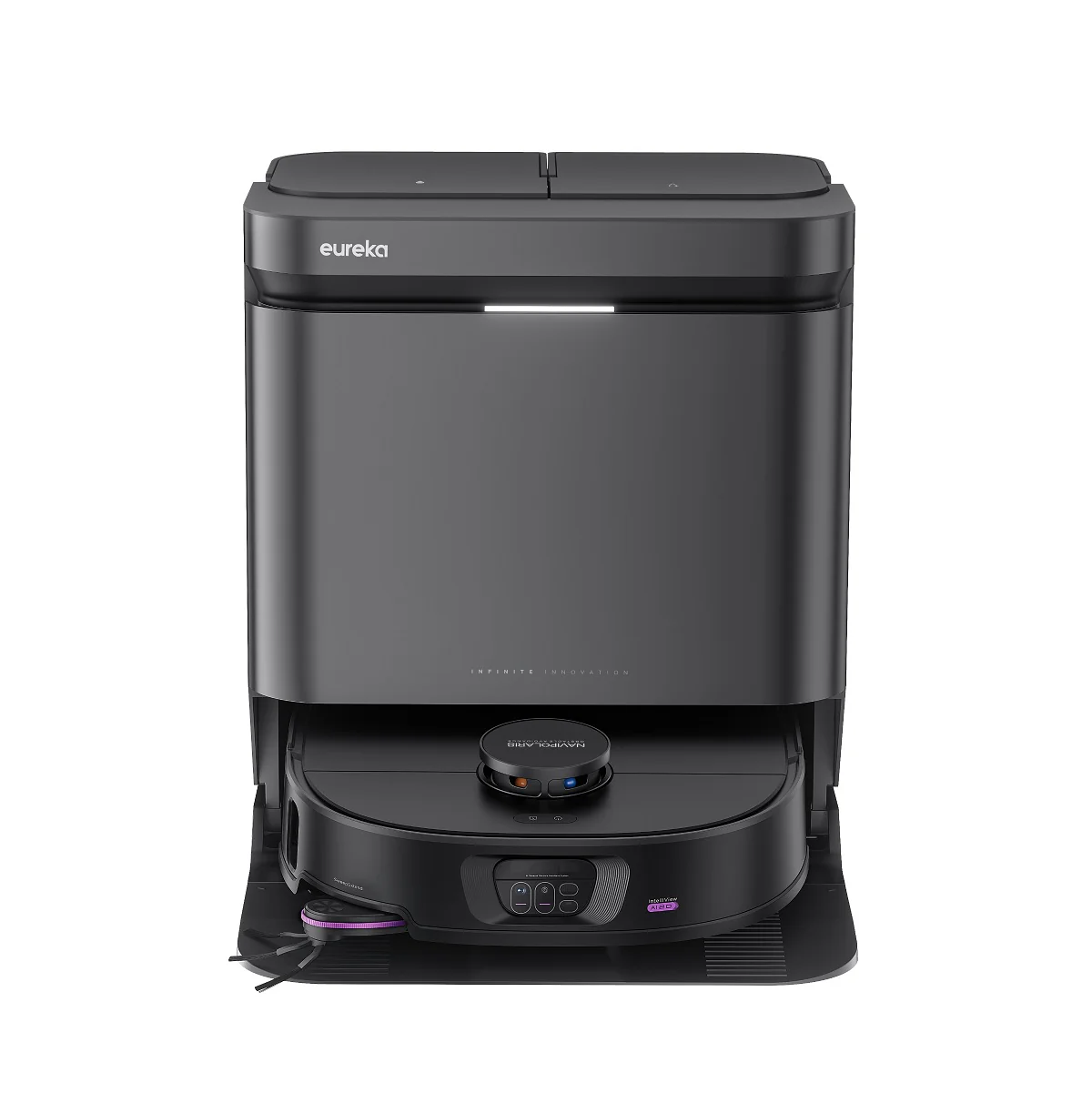
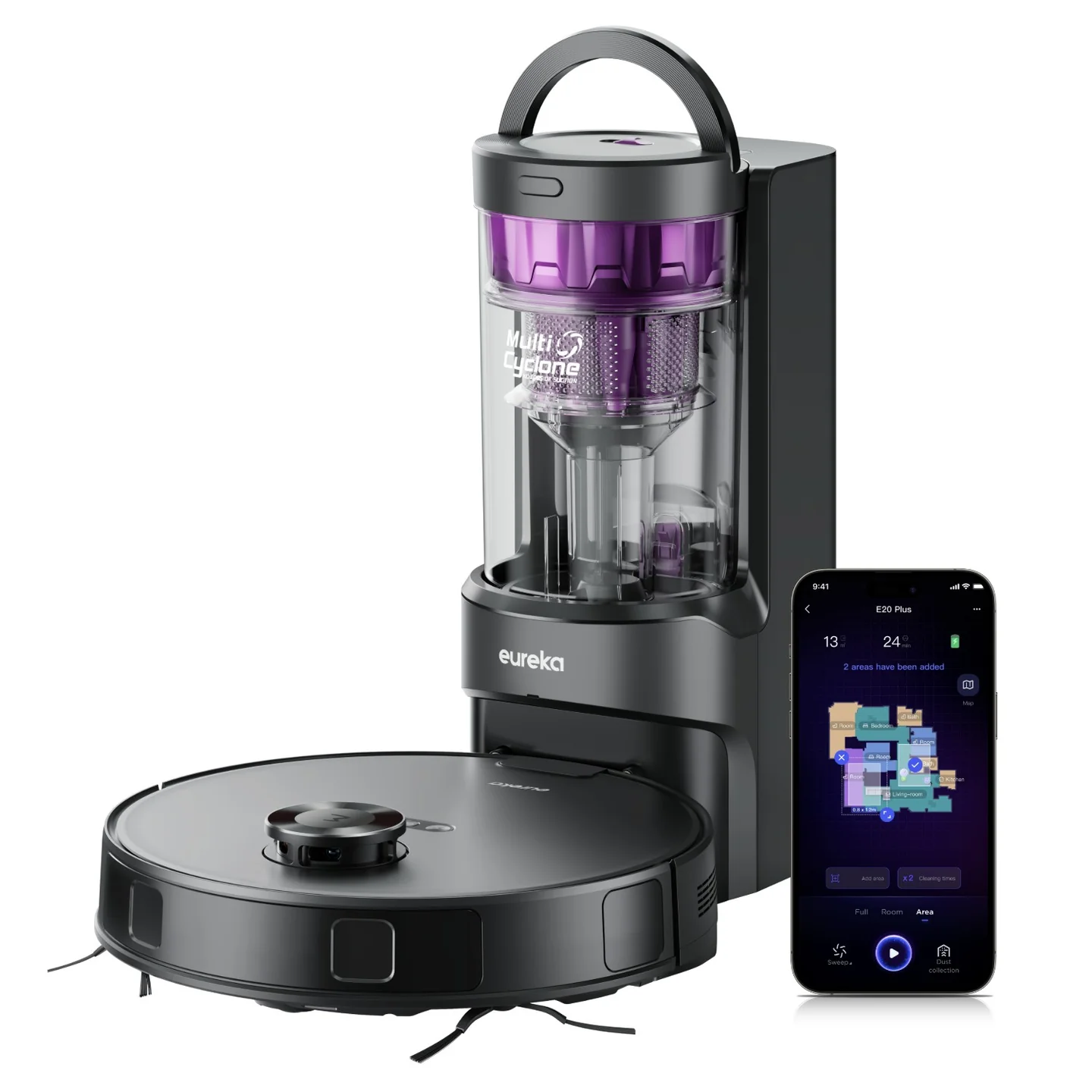
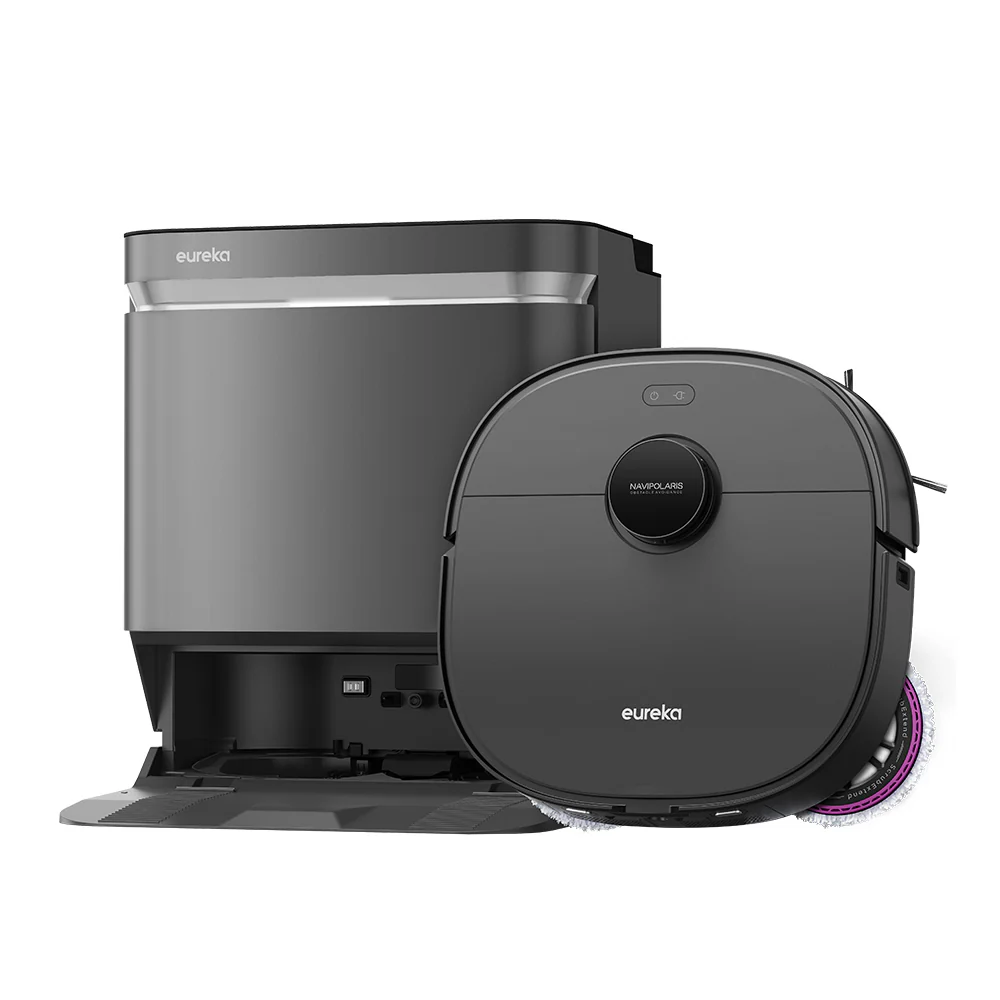
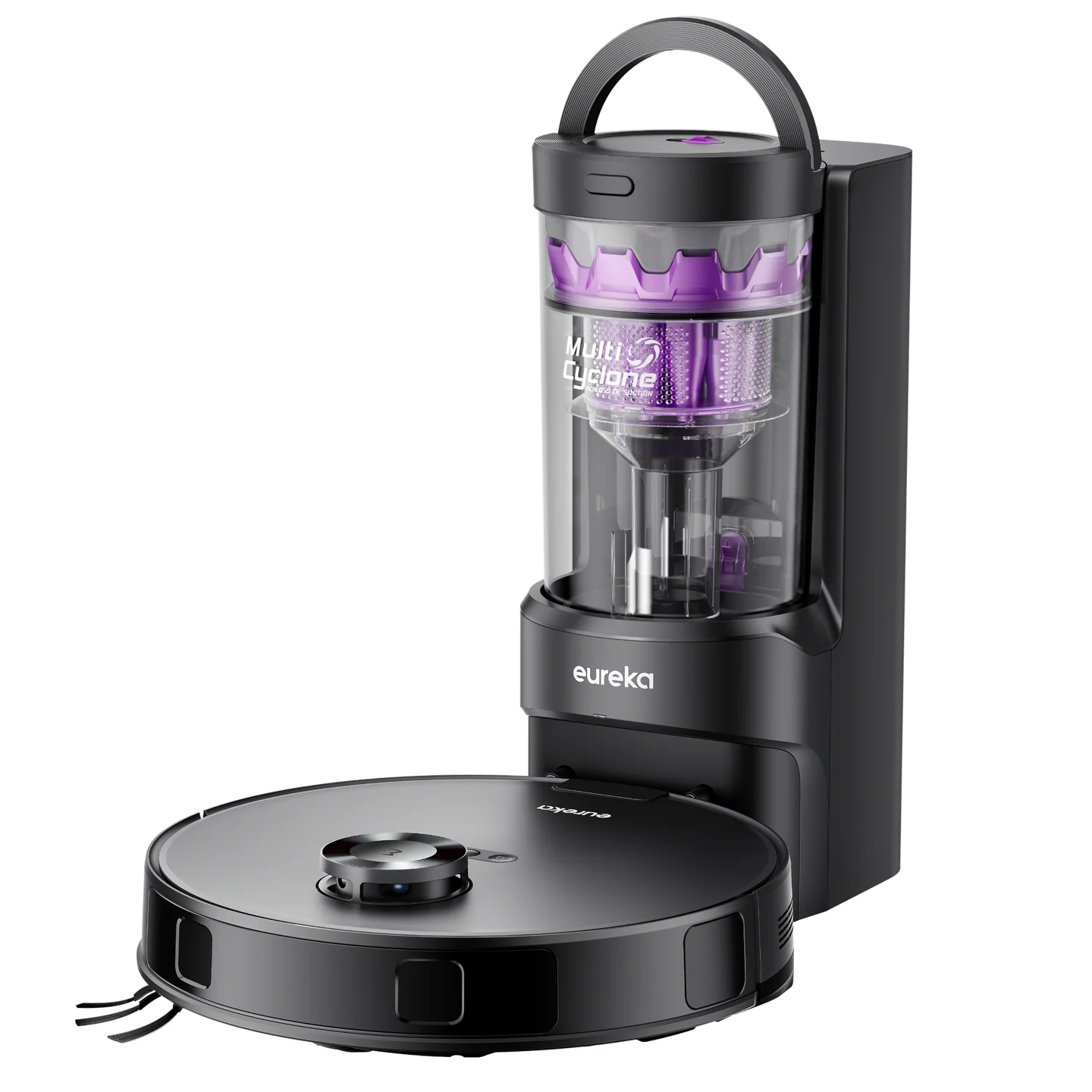
Robot vacuum cleaners are designed to make home cleaning easier by working automatically across floors. These smart devices move around furniture, clean dust and debris, and return to their charging station without much supervision. However, many homeowners experience a common problem where the robot vacuum keeps getting stuck during the cleaning process.
When this happens, the device may stop working until someone manually moves it. This can interrupt cleaning routines and reduce the convenience that robotic vacuums are supposed to provide. Fortunately, most situations where robot vacuums get stuck are caused by common household conditions that can be easily fixed.
Understanding why a robot vacuum keeps getting stuck can help improve cleaning performance and prevent repeated interruptions. Several factors such as clutter, floor surfaces, cables, and navigation limitations can affect how the vacuum moves around the home. By identifying these issues and making small adjustments, homeowners can allow their robot vacuum to clean more efficiently.
Clutter on the Floor
One of the most common reasons a robot vacuum gets stuck is clutter on the floor. Small objects such as toys, shoes, socks, and loose items can block the vacuum’s path. When the robot tries to move over these objects, it may stop or become trapped.
Before starting a cleaning session, it is helpful to quickly check the floor and remove small items. This simple step can greatly reduce interruptions during cleaning. Keeping the floor tidy also allows the robot vacuum to move more freely around the room.
Homes with children often experience this issue more frequently because toys are commonly left on the floor. Creating a quick habit of clearing the floor before activating the robot vacuum can improve its performance significantly.
Cables and Charging Wires
Loose cables are another major reason robot vacuums get stuck. Power cords, phone chargers, and other wires lying on the floor can easily become tangled in the vacuum’s brushes or wheels.
When the robot vacuum runs over a cable, the wire may wrap around the brushes and stop the machine from moving. In some cases, the vacuum may drag the cable along until it stops completely.
Organising cables and keeping them off the floor can prevent this problem. Using cable clips or placing wires behind furniture helps create a clear path for the robot vacuum.
Many robot vacuum manufacturers recommend securing all loose wires before running the device.
Thick Rugs and Carpets
Some robot vacuums struggle with thick rugs or high pile carpets. When the device moves from a hard floor onto a thick rug, the wheels may have difficulty climbing over the edge. This can cause the robot vacuum to stop or get stuck.
In other cases, rug edges may fold upward and block the vacuum’s path. The robot may repeatedly try to climb onto the rug without success.
Flattening rug edges or using rug grips can reduce this issue. Some advanced robotic vacuums are designed with stronger wheels and higher suction power to handle thicker carpets.
If thick rugs are a common part of the home, choosing a robot vacuum designed for carpet cleaning can help improve performance.
Low Furniture Clearance
Robot vacuums are designed to clean under furniture such as beds, sofas, and tables. However, furniture with very low clearance can sometimes trap the vacuum.
If the height of the furniture is slightly lower than the robot vacuum, the device may attempt to move underneath and become stuck. The sensors may not always detect that the space is too small.
Adjusting furniture placement or using small risers to slightly increase clearance can help prevent this issue. Another option is to create a restricted area in the robot vacuum app so the device avoids certain spaces.
Thresholds and Door Frames
Door thresholds and floor transitions can also cause robot vacuums to get stuck. These raised surfaces appear between rooms where flooring materials change.
If the threshold is too high, the robot vacuum may not be able to climb over it. Instead, the device may repeatedly attempt to cross the area and become stuck.
Many robotic vacuums can handle small transitions between rooms, but larger thresholds may require adjustments. Installing small ramp strips can help the robot vacuum move more easily between rooms.
Choosing a vacuum with strong climbing ability can also reduce this issue.
Dirty Sensors
Robot vacuums rely on sensors to detect obstacles, walls, and drop offs. If these sensors become dirty, the device may misjudge its surroundings and get stuck.
Dust and debris can accumulate on sensors over time. When this happens, the robot may fail to recognise objects or edges properly.
Cleaning the sensors regularly helps maintain accurate navigation. A soft cloth can be used to gently wipe the sensors and remove dust.
Regular maintenance ensures the robot vacuum continues to move smoothly around the home.
Full Dustbin
A full dustbin can also affect the movement of a robot vacuum. When the dustbin becomes overloaded, airflow and suction power may decrease.
Reduced suction can cause debris to build up inside the brush area. In some cases, this buildup may block the wheels or brushes, preventing the vacuum from moving properly.
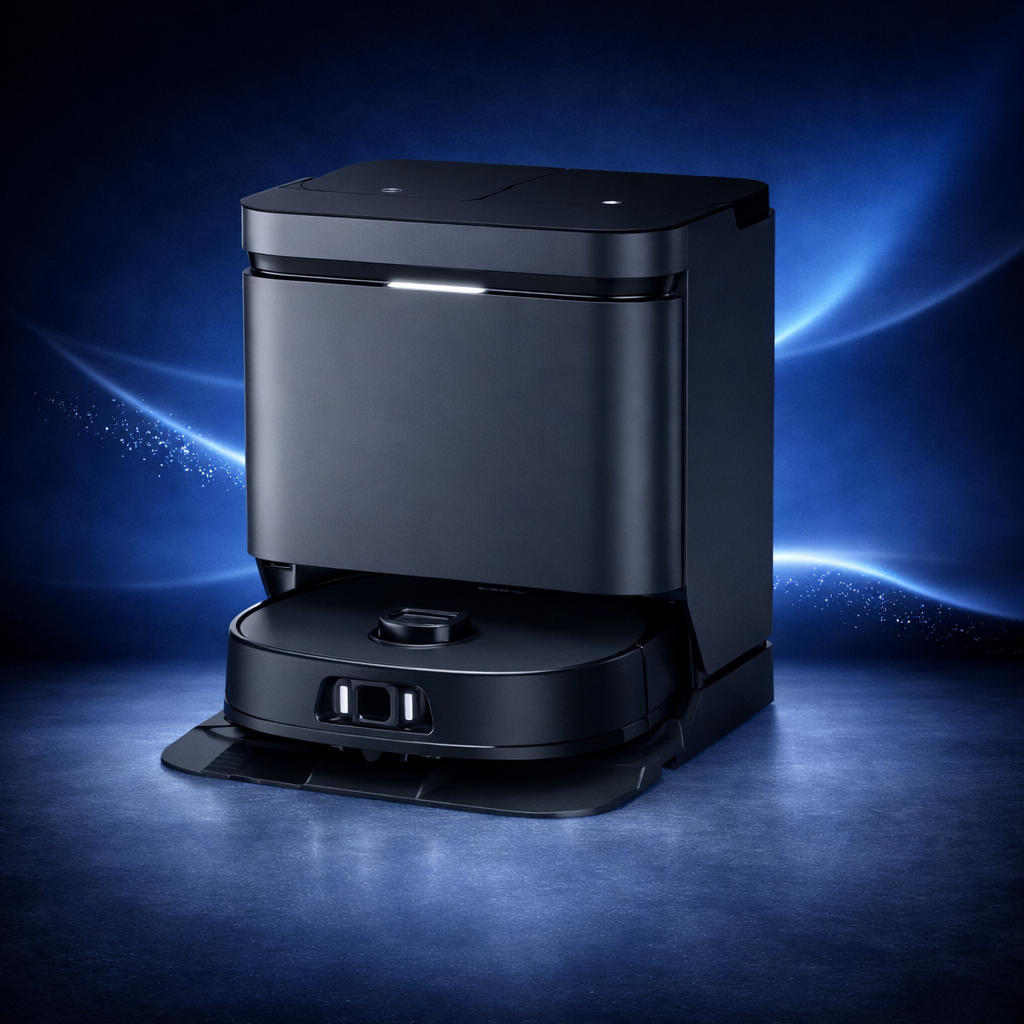
Emptying the dustbin after every cleaning cycle or whenever it becomes full helps maintain optimal performance. Some advanced robot vacuums include self emptying stations that reduce this issue.
Navigation Limitations
Basic robot vacuum models may rely on simple navigation systems. These models move in random directions rather than following a structured cleaning path.
Because of this, they may repeatedly approach the same obstacles and eventually become stuck. More advanced models use mapping technology to create digital layouts of the home.
Mapping systems allow the robot to plan efficient cleaning routes and avoid problematic areas. If frequent navigation problems occur, upgrading to a model with smart mapping technology may improve performance.
Maintenance Issues
Regular maintenance is essential for robot vacuums to operate properly. Brushes can become tangled with hair, wheels may collect debris, and filters may become clogged.
When these components are not cleaned regularly, the vacuum may struggle to move or clean effectively. This can increase the chances of the device becoming stuck.
Cleaning brushes, wheels, and filters on a regular basis helps keep the vacuum operating smoothly.
Proper maintenance also extends the lifespan of the device.
Conclusion:
Robot vacuums are designed to simplify home cleaning, but occasional problems such as getting stuck can interrupt their operation. Most of these issues are caused by everyday household conditions rather than faults in the device itself.
Cluttered floors, loose cables, thick rugs, low furniture, and dirty sensors are among the most common reasons robot vacuums become trapped. By addressing these factors, homeowners can improve the performance and reliability of their robotic cleaning devices.
Simple habits such as clearing small objects from the floor, organising cables, and maintaining the vacuum regularly can greatly reduce interruptions.
With a well prepared cleaning environment and proper maintenance, robot vacuums can operate efficiently and provide consistent cleaning that helps keep homes tidy with minimal effort.